Émilie St-Aubin
2024-07-15
The Phygital: Rethinking the Retail
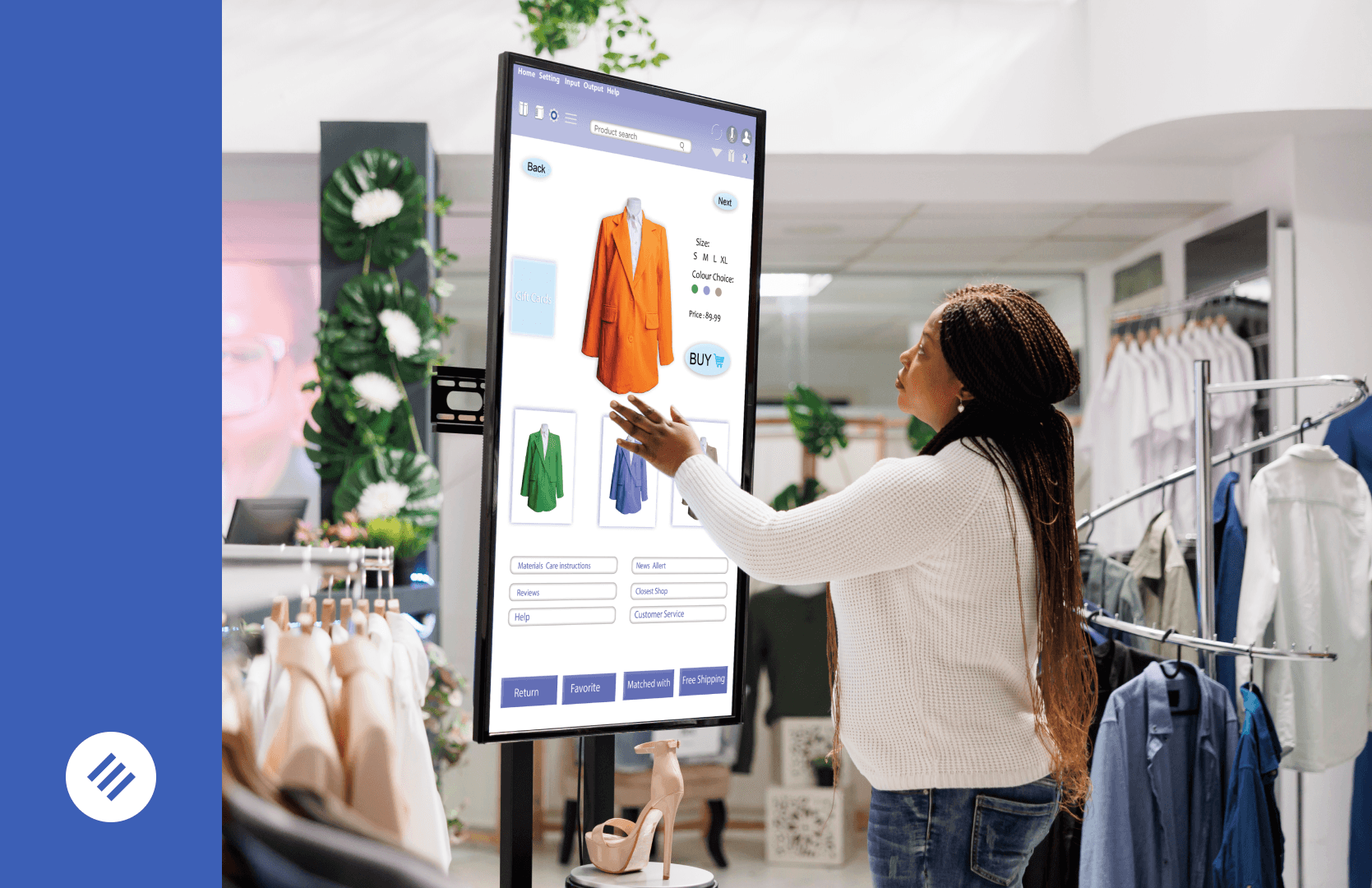
Whether the goal is to improve customer experience or optimize their omnichannel strategy, many companies are increasingly introducing digital tools into their physical retail outlets to achieve this. This is known as the concept of phygitalization.
Thirdbridge has been interested in this for a few years, working on projects—notably with a global retail giant—to push the limits of customer experience through integrated digital tools. These initiatives have not only allowed our clients to improve customer satisfaction and loyalty but also to offer personalized and seamless experiences that meet the evolving needs of the modern market.
What is Phygitalization?
The term Phygital, introduced for the first time in 2013 by the marketing agency Momentum, refers to the idea of digitizing a physical point of sale: merging online and offline experiences to offer customers a more seamless and enriched experience. It's a trend that has disrupted the retail world and has been accelerated by external factors such as the pandemic.
Touchscreen kiosks facilitating self-service ordering and price-checking devices allowing customers to check the cost of items are excellent examples of phygitalization.
By integrating these innovative technological tools into the physical environment of a store, companies can offer customers a more interactive, personalized, and efficient experience. According to a survey conducted in April 2023 by SurveyMonkey, 32% of retailers cite the implementation of new tools enhancing customer experience as a top priority.
The Advantages of This Strategy
1. Energizing the Visit to the Physical Store
Phygitalization aims to energize and enliven physical stores by integrating technologies prized by consumers, with the goal of attracting more customers. According to a study, 35% of Canadian consumers believe that the adoption of self-checkout counters would encourage them to make purchases in-store. Additionally, 34% are motivated by mobile or contactless payments, and 30% are encouraged by digital labels or QR codes offering additional product information. We can conclude that very simple elements, which contribute to the consumer's autonomy in their purchasing process, are an excellent way to energize the experience.
2. An Optimized Customer Experience
It is crucial to recognize the synergy between online and offline environments, as well as their influence on the customer experience that the brand wishes to offer. By ensuring a seamless transition between the digital and physical environments in the customer journey, it is possible to facilitate and accelerate conversion. This is achieved by ensuring consistency between channels, simplifying interactions, and enhancing in-store visits through digital means. This approach allows the customer to take advantage of the benefits offered by each channel, thus contributing to an optimal phygital customer experience adaptable to their purchasing preferences.
3. Time Savings
Digitizing points of sale allows consumers to save considerable time during their purchases, thereby improving their overall experience. By adopting an omnichannel approach, it strengthens the brand's presence while reducing friction points, decreasing the time needed to complete a transaction.
The numbers don't lie: several factors can cause a poor in-store experience, notably the waiting time at checkout (46% of respondents), pricing errors or missing prices (44%), out-of-stock items (37%), difficulty finding products on shelves (36%), interactions with sales staff (31%), store organization (28%), lack of product information (21%), and difficulty finding parking spaces (16%).
However, the adoption of phygital solutions such as interactive kiosks for providing product information and quick price checks, as well as various ordering methods like self-order kiosks, "click & collect" and mobile payment applications, allow brands to significantly improve the customer experience before, during, and even after their completed transaction.
Phygitalization represents a major revolution in the retail world. By integrating innovative phygital solutions, brands can not only optimize operational efficiency but also transform and enrich the customer experience by offering better fluidity in their transactions and increased satisfaction at each stage of the purchasing journey.
Thirdbridge is proud to contribute to this transformation in purchasing habits. By pushing the limits of customer experience through digital tools, we help our clients navigate and excel in a constantly evolving market. Phygitalization is not just a trend; it's the future of retail, and we are happy to contribute to it.
Émilie St-Aubin
2024-07-15
The Phygital: Rethinking the Retail
Whether the goal is to improve customer experience or optimize their omnichannel strategy, many companies are increasingly introducing digital tools into their physical retail outlets to achieve this. This is known as the concept of phygitalization.
Thirdbridge has been interested in this for a few years, working on projects—notably with a global retail giant—to push the limits of customer experience through integrated digital tools. These initiatives have not only allowed our clients to improve customer satisfaction and loyalty but also to offer personalized and seamless experiences that meet the evolving needs of the modern market.
What is Phygitalization?
The term Phygital, introduced for the first time in 2013 by the marketing agency Momentum, refers to the idea of digitizing a physical point of sale: merging online and offline experiences to offer customers a more seamless and enriched experience. It's a trend that has disrupted the retail world and has been accelerated by external factors such as the pandemic.
Touchscreen kiosks facilitating self-service ordering and price-checking devices allowing customers to check the cost of items are excellent examples of phygitalization.
By integrating these innovative technological tools into the physical environment of a store, companies can offer customers a more interactive, personalized, and efficient experience. According to a survey conducted in April 2023 by SurveyMonkey, 32% of retailers cite the implementation of new tools enhancing customer experience as a top priority.
The Advantages of This Strategy
1. Energizing the Visit to the Physical Store
Phygitalization aims to energize and enliven physical stores by integrating technologies prized by consumers, with the goal of attracting more customers. According to a study, 35% of Canadian consumers believe that the adoption of self-checkout counters would encourage them to make purchases in-store. Additionally, 34% are motivated by mobile or contactless payments, and 30% are encouraged by digital labels or QR codes offering additional product information. We can conclude that very simple elements, which contribute to the consumer's autonomy in their purchasing process, are an excellent way to energize the experience.
2. An Optimized Customer Experience
It is crucial to recognize the synergy between online and offline environments, as well as their influence on the customer experience that the brand wishes to offer. By ensuring a seamless transition between the digital and physical environments in the customer journey, it is possible to facilitate and accelerate conversion. This is achieved by ensuring consistency between channels, simplifying interactions, and enhancing in-store visits through digital means. This approach allows the customer to take advantage of the benefits offered by each channel, thus contributing to an optimal phygital customer experience adaptable to their purchasing preferences.
3. Time Savings
Digitizing points of sale allows consumers to save considerable time during their purchases, thereby improving their overall experience. By adopting an omnichannel approach, it strengthens the brand's presence while reducing friction points, decreasing the time needed to complete a transaction.
The numbers don't lie: several factors can cause a poor in-store experience, notably the waiting time at checkout (46% of respondents), pricing errors or missing prices (44%), out-of-stock items (37%), difficulty finding products on shelves (36%), interactions with sales staff (31%), store organization (28%), lack of product information (21%), and difficulty finding parking spaces (16%).
However, the adoption of phygital solutions such as interactive kiosks for providing product information and quick price checks, as well as various ordering methods like self-order kiosks, "click & collect" and mobile payment applications, allow brands to significantly improve the customer experience before, during, and even after their completed transaction.
Phygitalization represents a major revolution in the retail world. By integrating innovative phygital solutions, brands can not only optimize operational efficiency but also transform and enrich the customer experience by offering better fluidity in their transactions and increased satisfaction at each stage of the purchasing journey.
Thirdbridge is proud to contribute to this transformation in purchasing habits. By pushing the limits of customer experience through digital tools, we help our clients navigate and excel in a constantly evolving market. Phygitalization is not just a trend; it's the future of retail, and we are happy to contribute to it.
Émilie St-Aubin
2024-07-15
The Phygital: Rethinking the Retail
Whether the goal is to improve customer experience or optimize their omnichannel strategy, many companies are increasingly introducing digital tools into their physical retail outlets to achieve this. This is known as the concept of phygitalization.
Thirdbridge has been interested in this for a few years, working on projects—notably with a global retail giant—to push the limits of customer experience through integrated digital tools. These initiatives have not only allowed our clients to improve customer satisfaction and loyalty but also to offer personalized and seamless experiences that meet the evolving needs of the modern market.
What is Phygitalization?
The term Phygital, introduced for the first time in 2013 by the marketing agency Momentum, refers to the idea of digitizing a physical point of sale: merging online and offline experiences to offer customers a more seamless and enriched experience. It's a trend that has disrupted the retail world and has been accelerated by external factors such as the pandemic.
Touchscreen kiosks facilitating self-service ordering and price-checking devices allowing customers to check the cost of items are excellent examples of phygitalization.
By integrating these innovative technological tools into the physical environment of a store, companies can offer customers a more interactive, personalized, and efficient experience. According to a survey conducted in April 2023 by SurveyMonkey, 32% of retailers cite the implementation of new tools enhancing customer experience as a top priority.
The Advantages of This Strategy
1. Energizing the Visit to the Physical Store
Phygitalization aims to energize and enliven physical stores by integrating technologies prized by consumers, with the goal of attracting more customers. According to a study, 35% of Canadian consumers believe that the adoption of self-checkout counters would encourage them to make purchases in-store. Additionally, 34% are motivated by mobile or contactless payments, and 30% are encouraged by digital labels or QR codes offering additional product information. We can conclude that very simple elements, which contribute to the consumer's autonomy in their purchasing process, are an excellent way to energize the experience.
2. An Optimized Customer Experience
It is crucial to recognize the synergy between online and offline environments, as well as their influence on the customer experience that the brand wishes to offer. By ensuring a seamless transition between the digital and physical environments in the customer journey, it is possible to facilitate and accelerate conversion. This is achieved by ensuring consistency between channels, simplifying interactions, and enhancing in-store visits through digital means. This approach allows the customer to take advantage of the benefits offered by each channel, thus contributing to an optimal phygital customer experience adaptable to their purchasing preferences.
3. Time Savings
Digitizing points of sale allows consumers to save considerable time during their purchases, thereby improving their overall experience. By adopting an omnichannel approach, it strengthens the brand's presence while reducing friction points, decreasing the time needed to complete a transaction.
The numbers don't lie: several factors can cause a poor in-store experience, notably the waiting time at checkout (46% of respondents), pricing errors or missing prices (44%), out-of-stock items (37%), difficulty finding products on shelves (36%), interactions with sales staff (31%), store organization (28%), lack of product information (21%), and difficulty finding parking spaces (16%).
However, the adoption of phygital solutions such as interactive kiosks for providing product information and quick price checks, as well as various ordering methods like self-order kiosks, "click & collect" and mobile payment applications, allow brands to significantly improve the customer experience before, during, and even after their completed transaction.
Phygitalization represents a major revolution in the retail world. By integrating innovative phygital solutions, brands can not only optimize operational efficiency but also transform and enrich the customer experience by offering better fluidity in their transactions and increased satisfaction at each stage of the purchasing journey.
Thirdbridge is proud to contribute to this transformation in purchasing habits. By pushing the limits of customer experience through digital tools, we help our clients navigate and excel in a constantly evolving market. Phygitalization is not just a trend; it's the future of retail, and we are happy to contribute to it.
Other articles





Other articles
Other articles
contact@thirdbridge.ca
+1 514 316 5399
1751 Rue Richardson Bureau 5.120, Montréal, QC H3K 1G6
330 Rue Saint-Vallier E suite 330, Québec, QC G1K
1475 North Scottsdale Road, Suite 200, Scottsdale, AZ 85257
contact@thirdbridge.ca
+1 514 316 5399
1751 Rue Richardson Bureau 5.120, Montréal, QC H3K 1G6
330 Rue Saint-Vallier E suite 330, Québec, QC G1K
1475 North Scottsdale Road, Suite 200, Scottsdale, AZ 85257
contact@thirdbridge.ca
+1 514 316 5399
1751 Rue Richardson Bureau 5.120, Montréal, QC H3K 1G6
330 Rue Saint-Vallier E suite 330, Québec, QC G1K
1475 North Scottsdale Road, Suite 200, Scottsdale, AZ 85257