Virginie Lavoie
24/03/2026
How Top Convenience Stores Win with Mobile Loyalty Apps: The 4 Ps Framework
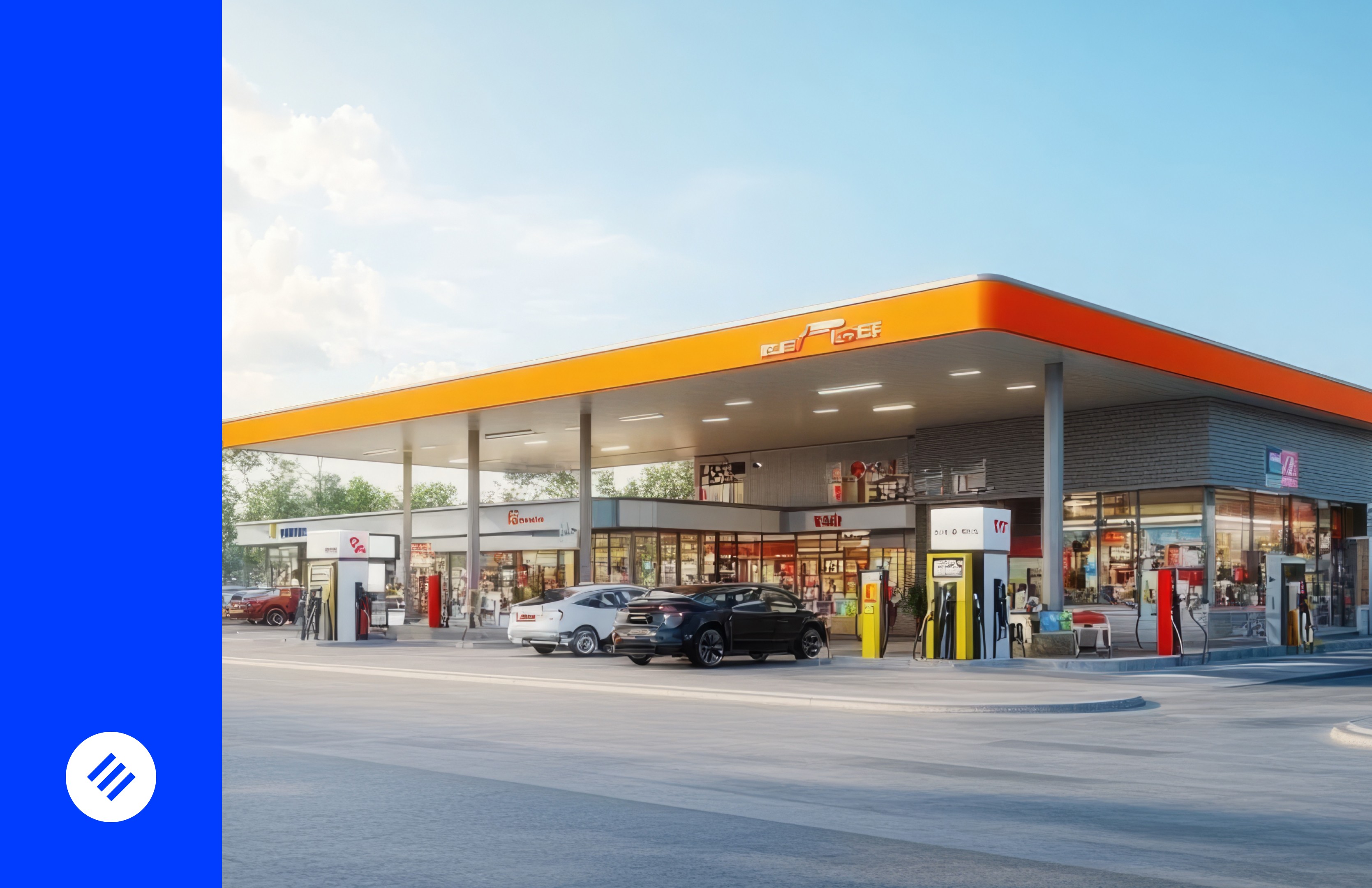
Convenience stores are evolving rapidly.
For decades, loyalty in convenience retail meant simple punch cards, fuel discounts, or points-based programs. But as customer expectations rise and digital ecosystems expand, those models are no longer enough to drive long-term engagement.
Today, many leading c-store and QSR brands are investing in mobile apps that combine loyalty, payments, personalization, and real-time engagement.
These apps are no longer just rewards platforms. They are becoming the central interface of the customer experience — connecting fuel, in-store purchases, loyalty, payments, and personalized offers in one digital ecosystem.
One of the most important outcomes of a strong loyalty app is its ability to create a reason for customers to walk through the door. In convenience retail, where foot traffic is the lifeblood of the business, a well-designed mobile experience can turn passive members into active visitors through timely offers, location-based triggers, and exclusive in-store rewards.
Inspired by the classic marketing 4Ps framework, we began thinking about what truly drives mobile app success in high-frequency retail environments.
Over time, four recurring pillars kept appearing across the most effective loyalty ecosystems.
So we adapted the concept. Not the traditional marketing mix. But a digital one.
At Thirdbridge, we call them the 4 Ps of mobile app success: Play. Pay. Personalize. Predict.
Together, these four pillars define how modern convenience store and QSR apps create engagement, remove friction, and build lasting customer relationships.
Play : Engagement That Builds Habit
The best convenience store loyalty programs don't rely only on transactions. They create anticipation and habit.
Gamification and exclusive experiences encourage customers to open the app regularly — even when they are not actively buying fuel or products.
Common engagement mechanics include:
Exclusive product drops
Early access to promotions
Seasonal campaigns
Gamified challenges
Status-based perks
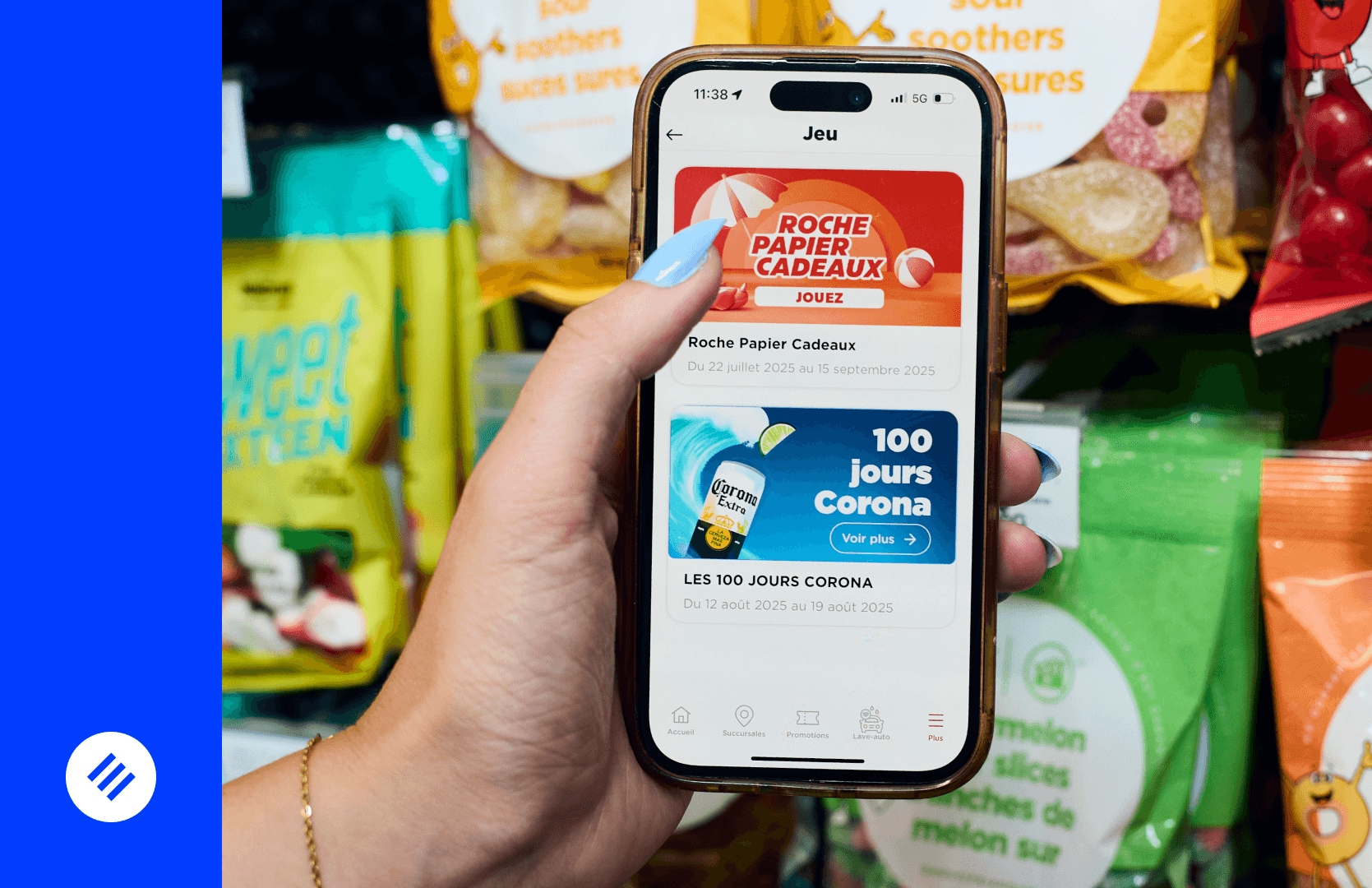
An often underestimated mechanic is the recurring seasonal game. When a game comes back year after year, it builds more than engagement, it builds anticipation. Customers start looking forward to it. They understand its value, they understand the window of opportunity, and they act accordingly.
Gamification can be a highly effective, lucrative engagement strategy in convenience retail. A strong example comes from one of our long-term clients, which launched gamified campaigns inside its mobile app, and has also experimented with interactive formats like games featuring local celebrities.
Customers could return daily to unlock rewards and surprises throughout the holiday season.
But engagement mechanics only take you so far. The real test is the reward at the end: if what members can earn feels underwhelming, no amount of gamification will compensate. Free products, meaningful discounts, exclusive experiences. The perceived value of the reward is a direct predictor of program health.
This approach shifts loyalty away from purely transactional behavior. It brings the brand into customers' daily lives, instead of only showing up at the moment of purchase.
Instead of: "Use the program when you buy."
The objective becomes: "Open the app frequently."
More engagement generates more behavioral data, which enables deeper personalization later.
Pay : Utility Drives Loyalty in Convenience Retail
In convenience retail, utility is loyalty.
If an app saves time — whether at the pump, in-store, or during checkout — customers return.
That's why many modern c-store mobile apps integrate transactional capabilities directly into the digital experience.
These features often include:
Stored payment methods
Mobile ordering
Fuel payment integration
Carwash purchases
Delivery or pickup services
7-Eleven provides a strong example with its 7NOW delivery ecosystem, which operates its own last-mile delivery fleet in several markets. In some urban areas, delivery times of only a few minutes have been promoted.
This shifts the competitive landscape. Convenience stores are no longer competing only with other gas stations or c-stores. They are competing with quick-service restaurants and instant delivery platforms.
Every transaction that happens inside the app also strengthens the ecosystem:
Payment credentials are stored
Customer identity is persistent
Purchase history becomes unified
Beyond data capture, in-app transactions unlock a powerful upsell opportunity. When a customer is already inside the app completing a transaction, the app can surface a perfectly timed offer: a free coffee with their fill-up, a 50% carwash upgrade, a combo deal on their usual snack. The app becomes the ideal medium for growing the average basket without interrupting the experience.
Card-linked loyalty programs are another avenue worth developing. When customers connect a payment card to their account, every eligible purchase automatically triggers rewards even outside the app. This frictionless model broadens the loyalty perimeter, and when implemented with transparency and customer consent, it significantly enriches transaction data and improves personalization across the board.
Each order feeds a continuous data loop:
Transaction → Data → Personalization → Better offers → Higher conversion
Over time, the convenience store app becomes more than a loyalty tool. It becomes a daily-use utility platform.
Personalize : Loyalty Powered by Customer Data
Personalization requires visibility.
You cannot personalize the customer experience if you cannot see how customers interact with your brand across channels.
Modern convenience store loyalty apps rely on several data foundations:
Unified customer identity
Cross-channel purchase history
CRM integration
Consent-based transaction data
A strong benchmark outside the c-store industry is Sephora, whose mobile app users spend more annually and purchase more frequently.
This performance is driven by:
AI-powered product recommendations
Purchase-history-based suggestions
Deep loyalty program integration
The important lesson is that personalization is not simply a marketing tactic. It is the result of strong customer data architecture.
In practice, that architecture often looks like a super app — a single customer front door connected to a set of modular microproducts (loyalty, payments, offers, ordering, carwash, etc.) that share identity and data.
At Thirdbridge, we enable that kind of connectivity by standardizing authentication and customer identity across modules (for example, using Auth0) so every interaction can safely flow into the same database under a single account, which helps facilitate personalization initiatives.
Predict : Delivering Relevance at the Right Moment
Knowing who the customer is only tells part of the story. Modern loyalty ecosystems must also understand context.
Many leading retail apps now react to signals such as:
Location
Time of day
Weather
Behavioral patterns
Nearby store activity
The Starbucks mobile ecosystem is often cited as a benchmark for contextual engagement.
Its app combines:
geolocation
order-ahead capabilities
personalized and timed push notifications
time-sensitive offers
The result is an experience that anticipates routine behaviors: morning coffee runs, afternoon reorders, nearby store visits.
This moves loyalty beyond static promotions. It becomes situational intelligence.
When identity and context work together, brands can deliver relevance exactly when customers need it.
Why Mobile Apps Are Essential for Convenience Stores
Convenience stores operate in one of the highest-frequency retail categories.
Customers may visit multiple times per week for, fuel, coffee, snacks or even carwash services.
That visit frequency is a strategic asset — but only if brands know how to use it. A well-designed app transforms each transaction into a digital touchpoint, and each touchpoint into a thread that connects the brand to the customer's everyday life. Fuel, coffee, rewards, ordering: unified in one place, these capabilities make the app indispensable long before the customer reaches the parking lot.
Instead of being just a marketing channel, the app becomes a daily digital touchpoint.
And increasingly, the most engaged customers aren't just using the app, they're talking about it. Brands like our long-term client have seen organic community groups emerge on platforms like Facebook, where thousands of members share promo tips, game strategies, and coupon codes. The common thread? The app is almost always the driver of these conversations. A strong mobile loyalty experience doesn't just retain customers it turns them into advocates.
The Future of Convenience Store Loyalty
Loyalty in convenience retail is no longer just about collecting points.
The most effective brands are building connected digital ecosystems where engagement, utility, and intelligence work together.
Mobile apps are becoming loyalty platforms, payment wallets, personalization engines and service hubs, all within a single experience.
And increasingly, the convenience store brands winning in this space are not simply the ones offering the biggest discounts.
They are the ones creating the most connected relationship with their customers.
Virginie Lavoie
24/03/2026
How Top Convenience Stores Win with Mobile Loyalty Apps: The 4 Ps Framework
Convenience stores are evolving rapidly.
For decades, loyalty in convenience retail meant simple punch cards, fuel discounts, or points-based programs. But as customer expectations rise and digital ecosystems expand, those models are no longer enough to drive long-term engagement.
Today, many leading c-store and QSR brands are investing in mobile apps that combine loyalty, payments, personalization, and real-time engagement.
These apps are no longer just rewards platforms. They are becoming the central interface of the customer experience — connecting fuel, in-store purchases, loyalty, payments, and personalized offers in one digital ecosystem.
One of the most important outcomes of a strong loyalty app is its ability to create a reason for customers to walk through the door. In convenience retail, where foot traffic is the lifeblood of the business, a well-designed mobile experience can turn passive members into active visitors through timely offers, location-based triggers, and exclusive in-store rewards.
Inspired by the classic marketing 4Ps framework, we began thinking about what truly drives mobile app success in high-frequency retail environments.
Over time, four recurring pillars kept appearing across the most effective loyalty ecosystems.
So we adapted the concept. Not the traditional marketing mix. But a digital one.
At Thirdbridge, we call them the 4 Ps of mobile app success: Play. Pay. Personalize. Predict.
Together, these four pillars define how modern convenience store and QSR apps create engagement, remove friction, and build lasting customer relationships.
Play : Engagement That Builds Habit
The best convenience store loyalty programs don't rely only on transactions. They create anticipation and habit.
Gamification and exclusive experiences encourage customers to open the app regularly — even when they are not actively buying fuel or products.
Common engagement mechanics include:
Exclusive product drops
Early access to promotions
Seasonal campaigns
Gamified challenges
Status-based perks
An often underestimated mechanic is the recurring seasonal game. When a game comes back year after year, it builds more than engagement, it builds anticipation. Customers start looking forward to it. They understand its value, they understand the window of opportunity, and they act accordingly.
Gamification can be a highly effective, lucrative engagement strategy in convenience retail. A strong example comes from one of our long-term clients, which launched gamified campaigns inside its mobile app, and has also experimented with interactive formats like games featuring local celebrities.
Customers could return daily to unlock rewards and surprises throughout the holiday season.
But engagement mechanics only take you so far. The real test is the reward at the end: if what members can earn feels underwhelming, no amount of gamification will compensate. Free products, meaningful discounts, exclusive experiences. The perceived value of the reward is a direct predictor of program health.
This approach shifts loyalty away from purely transactional behavior. It brings the brand into customers' daily lives, instead of only showing up at the moment of purchase.
Instead of: "Use the program when you buy."
The objective becomes: "Open the app frequently."
More engagement generates more behavioral data, which enables deeper personalization later.
Pay : Utility Drives Loyalty in Convenience Retail
In convenience retail, utility is loyalty.
If an app saves time — whether at the pump, in-store, or during checkout — customers return.
That's why many modern c-store mobile apps integrate transactional capabilities directly into the digital experience.
These features often include:
Stored payment methods
Mobile ordering
Fuel payment integration
Carwash purchases
Delivery or pickup services
7-Eleven provides a strong example with its 7NOW delivery ecosystem, which operates its own last-mile delivery fleet in several markets. In some urban areas, delivery times of only a few minutes have been promoted.
This shifts the competitive landscape. Convenience stores are no longer competing only with other gas stations or c-stores. They are competing with quick-service restaurants and instant delivery platforms.
Every transaction that happens inside the app also strengthens the ecosystem:
Payment credentials are stored
Customer identity is persistent
Purchase history becomes unified
Beyond data capture, in-app transactions unlock a powerful upsell opportunity. When a customer is already inside the app completing a transaction, the app can surface a perfectly timed offer: a free coffee with their fill-up, a 50% carwash upgrade, a combo deal on their usual snack. The app becomes the ideal medium for growing the average basket without interrupting the experience.
Card-linked loyalty programs are another avenue worth developing. When customers connect a payment card to their account, every eligible purchase automatically triggers rewards even outside the app. This frictionless model broadens the loyalty perimeter, and when implemented with transparency and customer consent, it significantly enriches transaction data and improves personalization across the board.
Each order feeds a continuous data loop:
Transaction → Data → Personalization → Better offers → Higher conversion
Over time, the convenience store app becomes more than a loyalty tool. It becomes a daily-use utility platform.
Personalize : Loyalty Powered by Customer Data
Personalization requires visibility.
You cannot personalize the customer experience if you cannot see how customers interact with your brand across channels.
Modern convenience store loyalty apps rely on several data foundations:
Unified customer identity
Cross-channel purchase history
CRM integration
Consent-based transaction data
A strong benchmark outside the c-store industry is Sephora, whose mobile app users spend more annually and purchase more frequently.
This performance is driven by:
AI-powered product recommendations
Purchase-history-based suggestions
Deep loyalty program integration
The important lesson is that personalization is not simply a marketing tactic. It is the result of strong customer data architecture.
In practice, that architecture often looks like a super app — a single customer front door connected to a set of modular microproducts (loyalty, payments, offers, ordering, carwash, etc.) that share identity and data.
At Thirdbridge, we enable that kind of connectivity by standardizing authentication and customer identity across modules (for example, using Auth0) so every interaction can safely flow into the same database under a single account, which helps facilitate personalization initiatives.
Predict : Delivering Relevance at the Right Moment
Knowing who the customer is only tells part of the story. Modern loyalty ecosystems must also understand context.
Many leading retail apps now react to signals such as:
Location
Time of day
Weather
Behavioral patterns
Nearby store activity
The Starbucks mobile ecosystem is often cited as a benchmark for contextual engagement.
Its app combines:
geolocation
order-ahead capabilities
personalized and timed push notifications
time-sensitive offers
The result is an experience that anticipates routine behaviors: morning coffee runs, afternoon reorders, nearby store visits.
This moves loyalty beyond static promotions. It becomes situational intelligence.
When identity and context work together, brands can deliver relevance exactly when customers need it.
Why Mobile Apps Are Essential for Convenience Stores
Convenience stores operate in one of the highest-frequency retail categories.
Customers may visit multiple times per week for, fuel, coffee, snacks or even carwash services.
That visit frequency is a strategic asset — but only if brands know how to use it. A well-designed app transforms each transaction into a digital touchpoint, and each touchpoint into a thread that connects the brand to the customer's everyday life. Fuel, coffee, rewards, ordering: unified in one place, these capabilities make the app indispensable long before the customer reaches the parking lot.
Instead of being just a marketing channel, the app becomes a daily digital touchpoint.
And increasingly, the most engaged customers aren't just using the app, they're talking about it. Brands like our long-term client have seen organic community groups emerge on platforms like Facebook, where thousands of members share promo tips, game strategies, and coupon codes. The common thread? The app is almost always the driver of these conversations. A strong mobile loyalty experience doesn't just retain customers it turns them into advocates.
The Future of Convenience Store Loyalty
Loyalty in convenience retail is no longer just about collecting points.
The most effective brands are building connected digital ecosystems where engagement, utility, and intelligence work together.
Mobile apps are becoming loyalty platforms, payment wallets, personalization engines and service hubs, all within a single experience.
And increasingly, the convenience store brands winning in this space are not simply the ones offering the biggest discounts.
They are the ones creating the most connected relationship with their customers.
Virginie Lavoie
24/03/2026
How Top Convenience Stores Win with Mobile Loyalty Apps: The 4 Ps Framework
Convenience stores are evolving rapidly.
For decades, loyalty in convenience retail meant simple punch cards, fuel discounts, or points-based programs. But as customer expectations rise and digital ecosystems expand, those models are no longer enough to drive long-term engagement.
Today, many leading c-store and QSR brands are investing in mobile apps that combine loyalty, payments, personalization, and real-time engagement.
These apps are no longer just rewards platforms. They are becoming the central interface of the customer experience — connecting fuel, in-store purchases, loyalty, payments, and personalized offers in one digital ecosystem.
One of the most important outcomes of a strong loyalty app is its ability to create a reason for customers to walk through the door. In convenience retail, where foot traffic is the lifeblood of the business, a well-designed mobile experience can turn passive members into active visitors through timely offers, location-based triggers, and exclusive in-store rewards.
Inspired by the classic marketing 4Ps framework, we began thinking about what truly drives mobile app success in high-frequency retail environments.
Over time, four recurring pillars kept appearing across the most effective loyalty ecosystems.
So we adapted the concept. Not the traditional marketing mix. But a digital one.
At Thirdbridge, we call them the 4 Ps of mobile app success: Play. Pay. Personalize. Predict.
Together, these four pillars define how modern convenience store and QSR apps create engagement, remove friction, and build lasting customer relationships.
Play : Engagement That Builds Habit
The best convenience store loyalty programs don't rely only on transactions. They create anticipation and habit.
Gamification and exclusive experiences encourage customers to open the app regularly — even when they are not actively buying fuel or products.
Common engagement mechanics include:
Exclusive product drops
Early access to promotions
Seasonal campaigns
Gamified challenges
Status-based perks
An often underestimated mechanic is the recurring seasonal game. When a game comes back year after year, it builds more than engagement, it builds anticipation. Customers start looking forward to it. They understand its value, they understand the window of opportunity, and they act accordingly.
Gamification can be a highly effective, lucrative engagement strategy in convenience retail. A strong example comes from one of our long-term clients, which launched gamified campaigns inside its mobile app, and has also experimented with interactive formats like games featuring local celebrities.
Customers could return daily to unlock rewards and surprises throughout the holiday season.
But engagement mechanics only take you so far. The real test is the reward at the end: if what members can earn feels underwhelming, no amount of gamification will compensate. Free products, meaningful discounts, exclusive experiences. The perceived value of the reward is a direct predictor of program health.
This approach shifts loyalty away from purely transactional behavior. It brings the brand into customers' daily lives, instead of only showing up at the moment of purchase.
Instead of: "Use the program when you buy."
The objective becomes: "Open the app frequently."
More engagement generates more behavioral data, which enables deeper personalization later.
Pay : Utility Drives Loyalty in Convenience Retail
In convenience retail, utility is loyalty.
If an app saves time — whether at the pump, in-store, or during checkout — customers return.
That's why many modern c-store mobile apps integrate transactional capabilities directly into the digital experience.
These features often include:
Stored payment methods
Mobile ordering
Fuel payment integration
Carwash purchases
Delivery or pickup services
7-Eleven provides a strong example with its 7NOW delivery ecosystem, which operates its own last-mile delivery fleet in several markets. In some urban areas, delivery times of only a few minutes have been promoted.
This shifts the competitive landscape. Convenience stores are no longer competing only with other gas stations or c-stores. They are competing with quick-service restaurants and instant delivery platforms.
Every transaction that happens inside the app also strengthens the ecosystem:
Payment credentials are stored
Customer identity is persistent
Purchase history becomes unified
Beyond data capture, in-app transactions unlock a powerful upsell opportunity. When a customer is already inside the app completing a transaction, the app can surface a perfectly timed offer: a free coffee with their fill-up, a 50% carwash upgrade, a combo deal on their usual snack. The app becomes the ideal medium for growing the average basket without interrupting the experience.
Card-linked loyalty programs are another avenue worth developing. When customers connect a payment card to their account, every eligible purchase automatically triggers rewards even outside the app. This frictionless model broadens the loyalty perimeter, and when implemented with transparency and customer consent, it significantly enriches transaction data and improves personalization across the board.
Each order feeds a continuous data loop:
Transaction → Data → Personalization → Better offers → Higher conversion
Over time, the convenience store app becomes more than a loyalty tool. It becomes a daily-use utility platform.
Personalize : Loyalty Powered by Customer Data
Personalization requires visibility.
You cannot personalize the customer experience if you cannot see how customers interact with your brand across channels.
Modern convenience store loyalty apps rely on several data foundations:
Unified customer identity
Cross-channel purchase history
CRM integration
Consent-based transaction data
A strong benchmark outside the c-store industry is Sephora, whose mobile app users spend more annually and purchase more frequently.
This performance is driven by:
AI-powered product recommendations
Purchase-history-based suggestions
Deep loyalty program integration
The important lesson is that personalization is not simply a marketing tactic. It is the result of strong customer data architecture.
In practice, that architecture often looks like a super app — a single customer front door connected to a set of modular microproducts (loyalty, payments, offers, ordering, carwash, etc.) that share identity and data.
At Thirdbridge, we enable that kind of connectivity by standardizing authentication and customer identity across modules (for example, using Auth0) so every interaction can safely flow into the same database under a single account, which helps facilitate personalization initiatives.
Predict : Delivering Relevance at the Right Moment
Knowing who the customer is only tells part of the story. Modern loyalty ecosystems must also understand context.
Many leading retail apps now react to signals such as:
Location
Time of day
Weather
Behavioral patterns
Nearby store activity
The Starbucks mobile ecosystem is often cited as a benchmark for contextual engagement.
Its app combines:
geolocation
order-ahead capabilities
personalized and timed push notifications
time-sensitive offers
The result is an experience that anticipates routine behaviors: morning coffee runs, afternoon reorders, nearby store visits.
This moves loyalty beyond static promotions. It becomes situational intelligence.
When identity and context work together, brands can deliver relevance exactly when customers need it.
Why Mobile Apps Are Essential for Convenience Stores
Convenience stores operate in one of the highest-frequency retail categories.
Customers may visit multiple times per week for, fuel, coffee, snacks or even carwash services.
That visit frequency is a strategic asset — but only if brands know how to use it. A well-designed app transforms each transaction into a digital touchpoint, and each touchpoint into a thread that connects the brand to the customer's everyday life. Fuel, coffee, rewards, ordering: unified in one place, these capabilities make the app indispensable long before the customer reaches the parking lot.
Instead of being just a marketing channel, the app becomes a daily digital touchpoint.
And increasingly, the most engaged customers aren't just using the app, they're talking about it. Brands like our long-term client have seen organic community groups emerge on platforms like Facebook, where thousands of members share promo tips, game strategies, and coupon codes. The common thread? The app is almost always the driver of these conversations. A strong mobile loyalty experience doesn't just retain customers it turns them into advocates.
The Future of Convenience Store Loyalty
Loyalty in convenience retail is no longer just about collecting points.
The most effective brands are building connected digital ecosystems where engagement, utility, and intelligence work together.
Mobile apps are becoming loyalty platforms, payment wallets, personalization engines and service hubs, all within a single experience.
And increasingly, the convenience store brands winning in this space are not simply the ones offering the biggest discounts.
They are the ones creating the most connected relationship with their customers.
Other articles






Other articles
Other articles
contact@thirdbridge.ca
+1 514 316 5399
1751 Rue Richardson Bureau 5.120, Montréal, QC H3K 1G6
330 Rue Saint-Vallier E suite 330, Québec, QC G1K
1475 North Scottsdale Road, Suite 200, Scottsdale, AZ 85257
contact@thirdbridge.ca
+1 514 316 5399
1751 Rue Richardson Bureau 5.120, Montréal, QC H3K 1G6
330 Rue Saint-Vallier E suite 330, Québec, QC G1K
1475 North Scottsdale Road, Suite 200, Scottsdale, AZ 85257
contact@thirdbridge.ca
+1 514 316 5399
1751 Rue Richardson Bureau 5.120, Montréal, QC H3K 1G6
330 Rue Saint-Vallier E suite 330, Québec, QC G1K
1475 North Scottsdale Road, Suite 200, Scottsdale, AZ 85257