


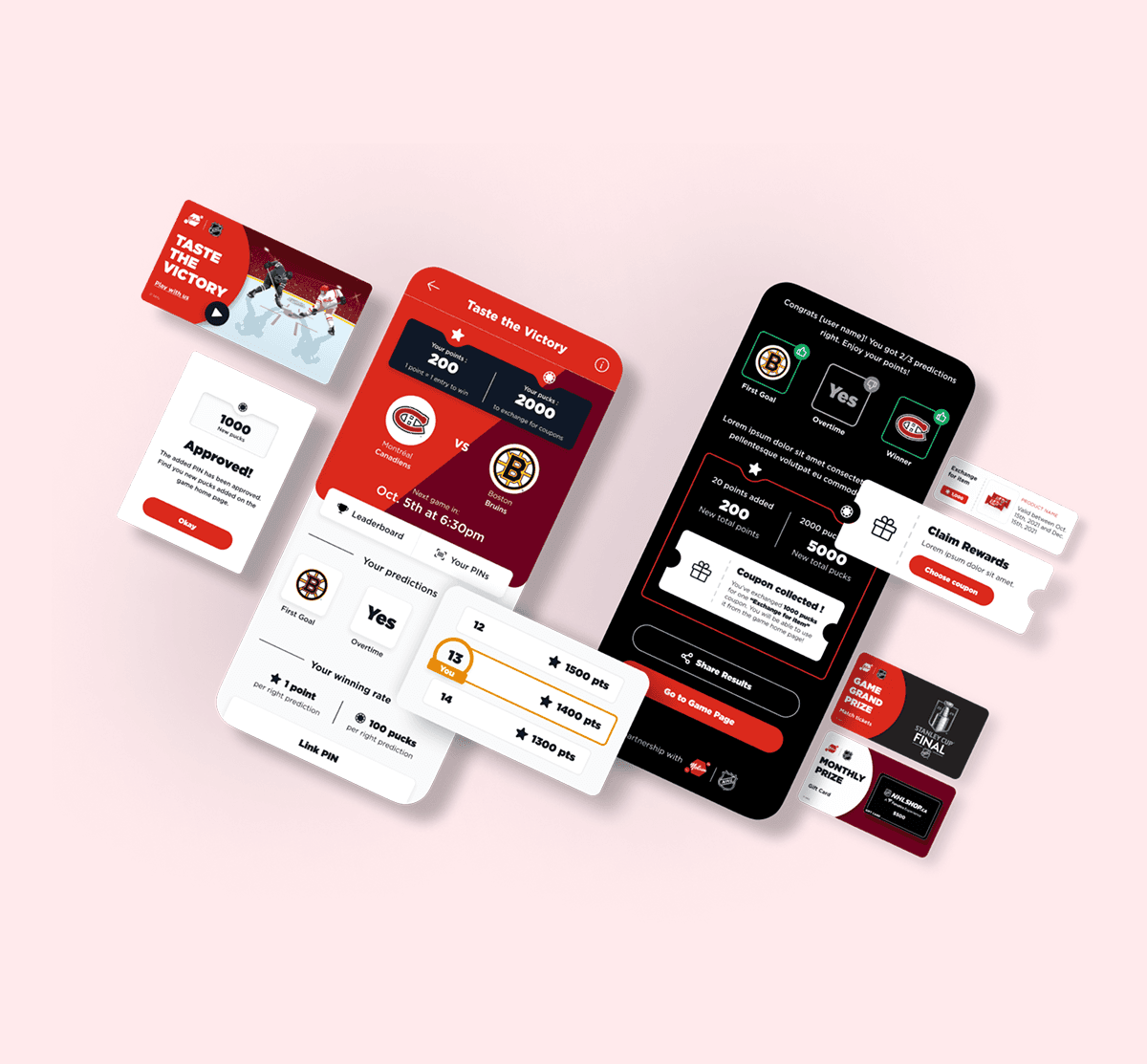








Digital solutions tailored to your reality
Frequently Asked Questions (FAQ)
What is the difference between a website and a web application?
Primarily informative, a website is a collection of static or dynamic web pages accessible through a browser. It often serves to provide information about a company, a product, or a service.
More interactive and functional, a web application is a program or software accessible through a web browser. It allows specific tasks to be performed, such as editing content, interacting with users, or managing data in real time.
What is the difference between a web application and a mobile application?
A web application is accessible via a web browser on various devices and does not require downloading or installation. It is generally less performant than mobile applications for complex or resource-intensive tasks.
Designed specifically for smartphones and tablets, a mobile application must be downloaded and installed via an App Store. It can directly access device features (camera, GPS, etc.) and often performs better for complex applications or those requiring high performance.
What is a Progressive Web App (PWA)?
A Progressive Web App (PWA) is a type of web application designed to offer a user experience similar to that of a mobile app. PWAs are accessible via a web browser but can be added to the home screen of a device, work offline, send push notifications, and load quickly, thanks to modern web technologies.
What is the cost of developing a web application?
The cost of developing a web application varies greatly depending on factors such as the complexity of the application, required features, UI/UX design, and technologies used. Once you share your needs and expectations with us, our developers can provide you with a precise estimate of costs and timelines.
How do you evaluate the quality of a web platform?
Evaluating a web platform requires a comprehensive approach that considers various essential aspects for its proper function and longevity. First, performance is critical: a platform must load quickly and operate smoothly to provide an optimal user experience.
The features offered by the platform must effectively meet user needs, providing clear solutions to their problems. Security is another critical criterion, with robust measures in place to protect user data and ensure compliance with prevailing regulations.