Alexis Loiselle, Alex Tran
2025-02-18
Proximity Technologies
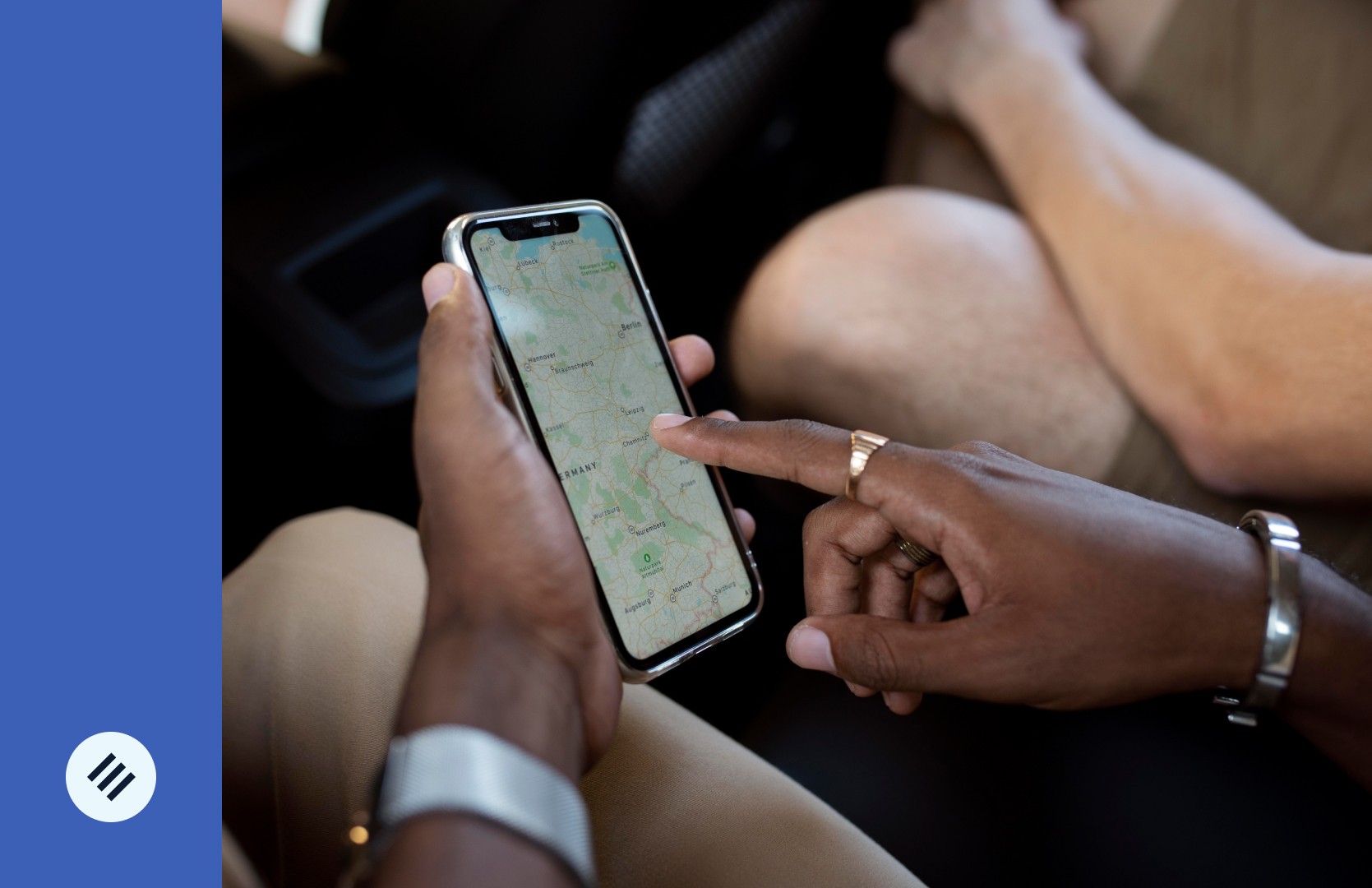
In this article, we will introduce geofencing, Bluetooth beacons, and NFC. Additionally, we will share real-world examples where these technologies have been used on a large scale.
Geofencing
Geofencing is a technology that allows mobile devices to monitor geographic areas and trigger code execution when the user enters or exits a predefined zone. These zones, which can be dynamically configured and modified programmatically, offer great flexibility in defining areas to monitor. Functioning on both iOS and Android, geofencing relies on GPS signal detection to activate automated actions within the application.
From a technical perspective, this mechanism enables the execution of code blocks upon receiving a geolocation event. The system can thus initiate processes such as sending notifications or making requests to a backend service, seamlessly integrating real-time data management into the application’s behavior. This automation capability provides a strong foundation for developing interactive and responsive features.
However, geofencing has some limitations. The synchronization delay can reach up to 30 seconds, affecting trigger responsiveness. Additionally, iOS restricts monitoring to 20 zones, whereas Android allows up to 100, sometimes requiring dynamic update strategies. The signal accuracy, approximately 10 meters, and its exclusively 2D management—without altitude consideration—can also limit its potential, particularly in underground environments or locations where GPS signal precision is insufficient. Moreover, activating geofencing requires the user to grant permanent location-sharing permissions, which can introduce friction.
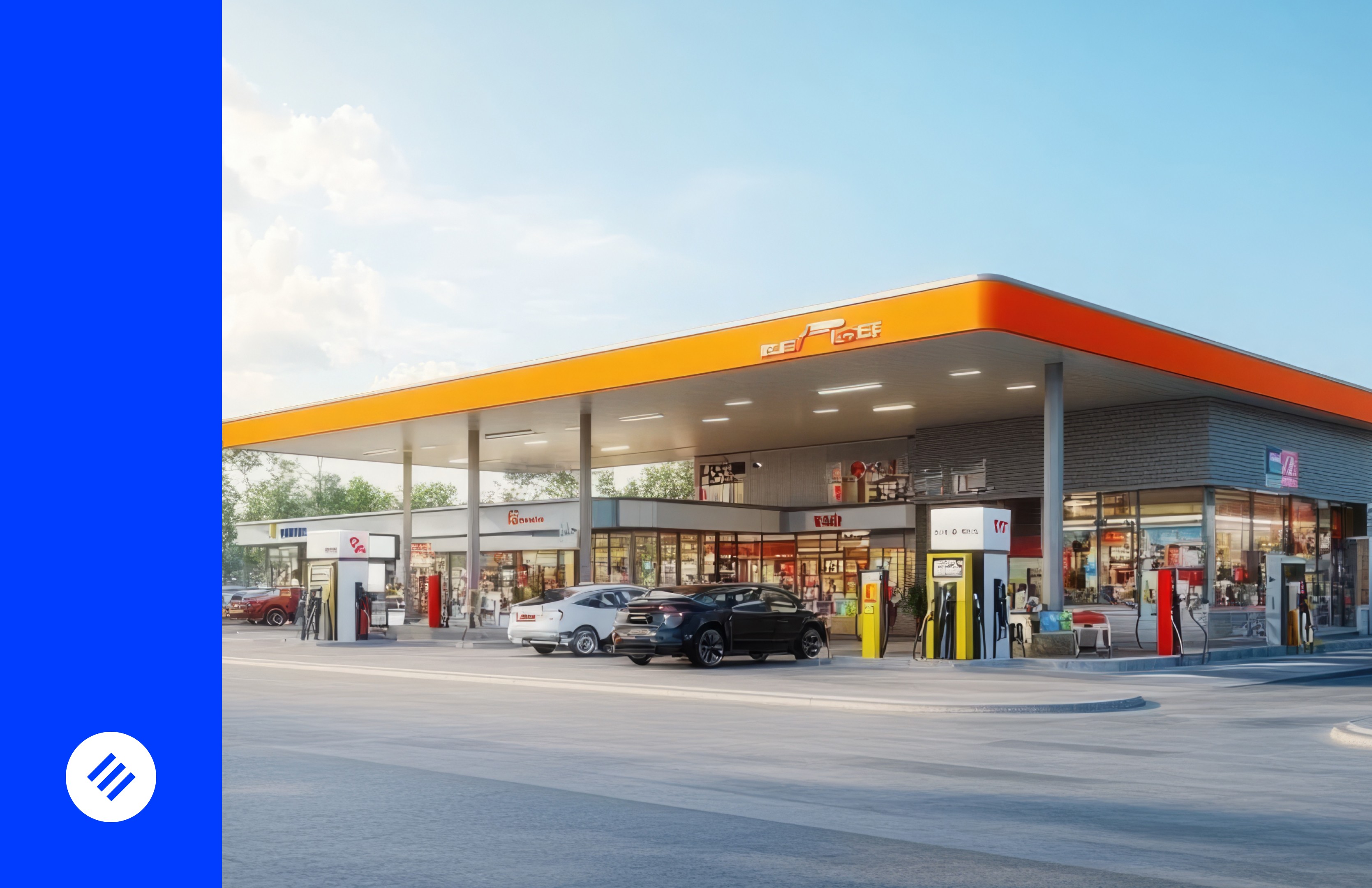
<div style="position: relative;border: 2px solid var(--main-blue-color); border-radius: 10px; padding: 10px;"><h4 style="position: absolute;top:-58px">Project</h4>Thirdbridge had the incredible opportunity to participate in the implementation of an innovative pay-at-the-pump system based on visual recognition and geofencing.<div style="position: relative; padding-top: 56.25%; overflow: hidden;"><video style="position: absolute; top: 0; left: 0; width: 100%; height: 100%;" controls><source src="https://s3.ca-central-1.amazonaws.com/assets.prod.thirdbridge.ca/blog_images/THIRDBRIDGE_CIRCLEK_VF.mp4" type="video/mp4">Your browser does not support the video tag.</video></div></div>
BLE Beacons
BLE beacons (or Bluetooth Low Energy beacons) are small devices that emit BLE signals at regular intervals. These signals can be detected by compatible devices (such as smartphones, tablets, or other connected objects) located nearby. Unlike other forms of Bluetooth communication, beacons do not require pairing; they operate in broadcasting mode, sending information without expecting a response from another device. This makes them a key technology for applications based on geolocation, indoor navigation, contextual marketing, and asset management.
A BLE beacon periodically transmits a small data packet containing a unique identifier. A smartphone or another BLE receiver can capture this signal and trigger a specific action based on its proximity. For example, when a user enters a store equipped with beacons, an application can detect their presence and display a real-time promotional offer.
The use of BLE beacons offers several advantages. BLE technology consumes very little energy and is optimized to run for long periods on battery power. Additionally, beacons are generally small in size, allowing for easy and flexible installation without wiring in various indoor and outdoor environments. Their range is configurable, from a few meters up to 100 meters, and they are typically compatible with most modern smartphones and tablets thanks to standardized protocols such as iBeacon (Apple), Eddystone (Google), or AltBeacon (open-source), ensuring compatibility across different operating systems and platforms.
However, BLE beacons also have some limitations. The user must install a specific application to receive, interpret, and react to the transmitted signals. Additionally, beacons are highly sensitive to interference, whether from physical objects or electronic devices emitting waves, which can alter their range and signal accuracy.
<div style="position: relative;border: 2px solid var(--main-blue-color); border-radius: 10px; padding: 10px;"><h4 style="position: absolute;top:-58px">Project</h4>Thirdbridge designed the mobile application as well as the interaction system with the BLE beacons installed in the 91 Couche-Tard car washes across Quebec! This system provides an unparalleled user experience for Couche-Tard customers, allowing them to complete an entire transaction using only their mobile phone.</div>
NFC
Near Field Communication (NFC) is a short-range wireless communication technology (2 to 10 cm) that enables instant data exchanges between two compatible devices. Operating on the 13.56 MHz frequency, it functions in three main modes: read/write, card emulation, and peer-to-peer. Due to its ease of use, NFC is widely adopted across various domains, including contactless payments, identification and authentication, and electronic ticketing.
In read/write mode, a smartphone can read or write information from an NFC tag, often used as an “interactive terminal” to display information. Reading an NFC tag can also serve smart marketing purposes, such as opening a specific webpage or playing multimedia content. In card emulation mode, NFC technology is primarily used for contactless payments (Apple Pay, Google Pay, and Samsung Pay), as a transportation card (for buses and metro systems), or as an access badge (for hotel rooms or secured doors). In peer-to-peer mode, NFC allows the exchange of files such as photos or contacts and facilitates device pairing (e.g., connecting headphones to a smartphone).
NFC offers several benefits. Interactions are instant and contactless, as communication is initiated simply by bringing a device close to an NFC tag. The short range reduces the risk of interception and allows for secure encryption of transactions, particularly for payments. Additionally, NFC tags require no power or, in rare cases, only minimal energy to operate.
However, NFC has some limitations. Its short range requires the user to be in close proximity to the NFC tag. Moreover, the amount of data that can be exchanged is limited due to its low transmission speed. NFC is also vulnerable to proximity attacks (skimming), which can fraudulently capture banking card data.
<div style="position: relative;border: 2px solid var(--main-blue-color); border-radius: 10px; padding: 10px;"><h4 style="position: absolute;top:-58px">Project</h4>Thirdbridge designed the mobile application powering the first smart convenience store in North America! The cashierless experience relied on multiple technologies, including the use of NFC to confirm payment upon exiting the store.<div style="position: relative; padding-top: 56.25%; overflow: hidden;"><video style="position: absolute; top: 0; left: 0; width: 100%; height: 100%;" controls><source src="https://s3.ca-central-1.amazonaws.com/assets.prod.thirdbridge.ca/blog_images/THIRDBRIDGE_CIRCLEK_VF.mp4" type="video/mp4">Your browser does not support the video tag.</video></div></div>
Conclusion
Proximity technologies enhance mobile experiences by connecting users to the physical world. Understanding their respective strengths and weaknesses enables the design of high-quality projects that increase user interactivity. Whether it’s geofencing, Bluetooth, NFC, or even more advanced technologies like Ultra Wide Band, Thirdbridge’s expertise in mobile development will unlock a world of possibilities for you!
Alexis Loiselle, Alex Tran
2025-02-18
Proximity Technologies
In this article, we will introduce geofencing, Bluetooth beacons, and NFC. Additionally, we will share real-world examples where these technologies have been used on a large scale.
Geofencing
Geofencing is a technology that allows mobile devices to monitor geographic areas and trigger code execution when the user enters or exits a predefined zone. These zones, which can be dynamically configured and modified programmatically, offer great flexibility in defining areas to monitor. Functioning on both iOS and Android, geofencing relies on GPS signal detection to activate automated actions within the application.
From a technical perspective, this mechanism enables the execution of code blocks upon receiving a geolocation event. The system can thus initiate processes such as sending notifications or making requests to a backend service, seamlessly integrating real-time data management into the application’s behavior. This automation capability provides a strong foundation for developing interactive and responsive features.
However, geofencing has some limitations. The synchronization delay can reach up to 30 seconds, affecting trigger responsiveness. Additionally, iOS restricts monitoring to 20 zones, whereas Android allows up to 100, sometimes requiring dynamic update strategies. The signal accuracy, approximately 10 meters, and its exclusively 2D management—without altitude consideration—can also limit its potential, particularly in underground environments or locations where GPS signal precision is insufficient. Moreover, activating geofencing requires the user to grant permanent location-sharing permissions, which can introduce friction.
<div style="position: relative;border: 2px solid var(--main-blue-color); border-radius: 10px; padding: 10px;"><h4 style="position: absolute;top:-58px">Project</h4>Thirdbridge had the incredible opportunity to participate in the implementation of an innovative pay-at-the-pump system based on visual recognition and geofencing.<div style="position: relative; padding-top: 56.25%; overflow: hidden;"><video style="position: absolute; top: 0; left: 0; width: 100%; height: 100%;" controls><source src="https://s3.ca-central-1.amazonaws.com/assets.prod.thirdbridge.ca/blog_images/THIRDBRIDGE_CIRCLEK_VF.mp4" type="video/mp4">Your browser does not support the video tag.</video></div></div>
BLE Beacons
BLE beacons (or Bluetooth Low Energy beacons) are small devices that emit BLE signals at regular intervals. These signals can be detected by compatible devices (such as smartphones, tablets, or other connected objects) located nearby. Unlike other forms of Bluetooth communication, beacons do not require pairing; they operate in broadcasting mode, sending information without expecting a response from another device. This makes them a key technology for applications based on geolocation, indoor navigation, contextual marketing, and asset management.
A BLE beacon periodically transmits a small data packet containing a unique identifier. A smartphone or another BLE receiver can capture this signal and trigger a specific action based on its proximity. For example, when a user enters a store equipped with beacons, an application can detect their presence and display a real-time promotional offer.
The use of BLE beacons offers several advantages. BLE technology consumes very little energy and is optimized to run for long periods on battery power. Additionally, beacons are generally small in size, allowing for easy and flexible installation without wiring in various indoor and outdoor environments. Their range is configurable, from a few meters up to 100 meters, and they are typically compatible with most modern smartphones and tablets thanks to standardized protocols such as iBeacon (Apple), Eddystone (Google), or AltBeacon (open-source), ensuring compatibility across different operating systems and platforms.
However, BLE beacons also have some limitations. The user must install a specific application to receive, interpret, and react to the transmitted signals. Additionally, beacons are highly sensitive to interference, whether from physical objects or electronic devices emitting waves, which can alter their range and signal accuracy.
<div style="position: relative;border: 2px solid var(--main-blue-color); border-radius: 10px; padding: 10px;"><h4 style="position: absolute;top:-58px">Project</h4>Thirdbridge designed the mobile application as well as the interaction system with the BLE beacons installed in the 91 Couche-Tard car washes across Quebec! This system provides an unparalleled user experience for Couche-Tard customers, allowing them to complete an entire transaction using only their mobile phone.</div>
NFC
Near Field Communication (NFC) is a short-range wireless communication technology (2 to 10 cm) that enables instant data exchanges between two compatible devices. Operating on the 13.56 MHz frequency, it functions in three main modes: read/write, card emulation, and peer-to-peer. Due to its ease of use, NFC is widely adopted across various domains, including contactless payments, identification and authentication, and electronic ticketing.
In read/write mode, a smartphone can read or write information from an NFC tag, often used as an “interactive terminal” to display information. Reading an NFC tag can also serve smart marketing purposes, such as opening a specific webpage or playing multimedia content. In card emulation mode, NFC technology is primarily used for contactless payments (Apple Pay, Google Pay, and Samsung Pay), as a transportation card (for buses and metro systems), or as an access badge (for hotel rooms or secured doors). In peer-to-peer mode, NFC allows the exchange of files such as photos or contacts and facilitates device pairing (e.g., connecting headphones to a smartphone).
NFC offers several benefits. Interactions are instant and contactless, as communication is initiated simply by bringing a device close to an NFC tag. The short range reduces the risk of interception and allows for secure encryption of transactions, particularly for payments. Additionally, NFC tags require no power or, in rare cases, only minimal energy to operate.
However, NFC has some limitations. Its short range requires the user to be in close proximity to the NFC tag. Moreover, the amount of data that can be exchanged is limited due to its low transmission speed. NFC is also vulnerable to proximity attacks (skimming), which can fraudulently capture banking card data.
<div style="position: relative;border: 2px solid var(--main-blue-color); border-radius: 10px; padding: 10px;"><h4 style="position: absolute;top:-58px">Project</h4>Thirdbridge designed the mobile application powering the first smart convenience store in North America! The cashierless experience relied on multiple technologies, including the use of NFC to confirm payment upon exiting the store.<div style="position: relative; padding-top: 56.25%; overflow: hidden;"><video style="position: absolute; top: 0; left: 0; width: 100%; height: 100%;" controls><source src="https://s3.ca-central-1.amazonaws.com/assets.prod.thirdbridge.ca/blog_images/THIRDBRIDGE_CIRCLEK_VF.mp4" type="video/mp4">Your browser does not support the video tag.</video></div></div>
Conclusion
Proximity technologies enhance mobile experiences by connecting users to the physical world. Understanding their respective strengths and weaknesses enables the design of high-quality projects that increase user interactivity. Whether it’s geofencing, Bluetooth, NFC, or even more advanced technologies like Ultra Wide Band, Thirdbridge’s expertise in mobile development will unlock a world of possibilities for you!
Alexis Loiselle, Alex Tran
2025-02-18
Proximity Technologies
In this article, we will introduce geofencing, Bluetooth beacons, and NFC. Additionally, we will share real-world examples where these technologies have been used on a large scale.
Geofencing
Geofencing is a technology that allows mobile devices to monitor geographic areas and trigger code execution when the user enters or exits a predefined zone. These zones, which can be dynamically configured and modified programmatically, offer great flexibility in defining areas to monitor. Functioning on both iOS and Android, geofencing relies on GPS signal detection to activate automated actions within the application.
From a technical perspective, this mechanism enables the execution of code blocks upon receiving a geolocation event. The system can thus initiate processes such as sending notifications or making requests to a backend service, seamlessly integrating real-time data management into the application’s behavior. This automation capability provides a strong foundation for developing interactive and responsive features.
However, geofencing has some limitations. The synchronization delay can reach up to 30 seconds, affecting trigger responsiveness. Additionally, iOS restricts monitoring to 20 zones, whereas Android allows up to 100, sometimes requiring dynamic update strategies. The signal accuracy, approximately 10 meters, and its exclusively 2D management—without altitude consideration—can also limit its potential, particularly in underground environments or locations where GPS signal precision is insufficient. Moreover, activating geofencing requires the user to grant permanent location-sharing permissions, which can introduce friction.
<div style="position: relative;border: 2px solid var(--main-blue-color); border-radius: 10px; padding: 10px;"><h4 style="position: absolute;top:-58px">Project</h4>Thirdbridge had the incredible opportunity to participate in the implementation of an innovative pay-at-the-pump system based on visual recognition and geofencing.<div style="position: relative; padding-top: 56.25%; overflow: hidden;"><video style="position: absolute; top: 0; left: 0; width: 100%; height: 100%;" controls><source src="https://s3.ca-central-1.amazonaws.com/assets.prod.thirdbridge.ca/blog_images/THIRDBRIDGE_CIRCLEK_VF.mp4" type="video/mp4">Your browser does not support the video tag.</video></div></div>
BLE Beacons
BLE beacons (or Bluetooth Low Energy beacons) are small devices that emit BLE signals at regular intervals. These signals can be detected by compatible devices (such as smartphones, tablets, or other connected objects) located nearby. Unlike other forms of Bluetooth communication, beacons do not require pairing; they operate in broadcasting mode, sending information without expecting a response from another device. This makes them a key technology for applications based on geolocation, indoor navigation, contextual marketing, and asset management.
A BLE beacon periodically transmits a small data packet containing a unique identifier. A smartphone or another BLE receiver can capture this signal and trigger a specific action based on its proximity. For example, when a user enters a store equipped with beacons, an application can detect their presence and display a real-time promotional offer.
The use of BLE beacons offers several advantages. BLE technology consumes very little energy and is optimized to run for long periods on battery power. Additionally, beacons are generally small in size, allowing for easy and flexible installation without wiring in various indoor and outdoor environments. Their range is configurable, from a few meters up to 100 meters, and they are typically compatible with most modern smartphones and tablets thanks to standardized protocols such as iBeacon (Apple), Eddystone (Google), or AltBeacon (open-source), ensuring compatibility across different operating systems and platforms.
However, BLE beacons also have some limitations. The user must install a specific application to receive, interpret, and react to the transmitted signals. Additionally, beacons are highly sensitive to interference, whether from physical objects or electronic devices emitting waves, which can alter their range and signal accuracy.
<div style="position: relative;border: 2px solid var(--main-blue-color); border-radius: 10px; padding: 10px;"><h4 style="position: absolute;top:-58px">Project</h4>Thirdbridge designed the mobile application as well as the interaction system with the BLE beacons installed in the 91 Couche-Tard car washes across Quebec! This system provides an unparalleled user experience for Couche-Tard customers, allowing them to complete an entire transaction using only their mobile phone.</div>
NFC
Near Field Communication (NFC) is a short-range wireless communication technology (2 to 10 cm) that enables instant data exchanges between two compatible devices. Operating on the 13.56 MHz frequency, it functions in three main modes: read/write, card emulation, and peer-to-peer. Due to its ease of use, NFC is widely adopted across various domains, including contactless payments, identification and authentication, and electronic ticketing.
In read/write mode, a smartphone can read or write information from an NFC tag, often used as an “interactive terminal” to display information. Reading an NFC tag can also serve smart marketing purposes, such as opening a specific webpage or playing multimedia content. In card emulation mode, NFC technology is primarily used for contactless payments (Apple Pay, Google Pay, and Samsung Pay), as a transportation card (for buses and metro systems), or as an access badge (for hotel rooms or secured doors). In peer-to-peer mode, NFC allows the exchange of files such as photos or contacts and facilitates device pairing (e.g., connecting headphones to a smartphone).
NFC offers several benefits. Interactions are instant and contactless, as communication is initiated simply by bringing a device close to an NFC tag. The short range reduces the risk of interception and allows for secure encryption of transactions, particularly for payments. Additionally, NFC tags require no power or, in rare cases, only minimal energy to operate.
However, NFC has some limitations. Its short range requires the user to be in close proximity to the NFC tag. Moreover, the amount of data that can be exchanged is limited due to its low transmission speed. NFC is also vulnerable to proximity attacks (skimming), which can fraudulently capture banking card data.
<div style="position: relative;border: 2px solid var(--main-blue-color); border-radius: 10px; padding: 10px;"><h4 style="position: absolute;top:-58px">Project</h4>Thirdbridge designed the mobile application powering the first smart convenience store in North America! The cashierless experience relied on multiple technologies, including the use of NFC to confirm payment upon exiting the store.<div style="position: relative; padding-top: 56.25%; overflow: hidden;"><video style="position: absolute; top: 0; left: 0; width: 100%; height: 100%;" controls><source src="https://s3.ca-central-1.amazonaws.com/assets.prod.thirdbridge.ca/blog_images/THIRDBRIDGE_CIRCLEK_VF.mp4" type="video/mp4">Your browser does not support the video tag.</video></div></div>
Conclusion
Proximity technologies enhance mobile experiences by connecting users to the physical world. Understanding their respective strengths and weaknesses enables the design of high-quality projects that increase user interactivity. Whether it’s geofencing, Bluetooth, NFC, or even more advanced technologies like Ultra Wide Band, Thirdbridge’s expertise in mobile development will unlock a world of possibilities for you!
Other articles

Other articles
Other articles
contact@thirdbridge.ca
+1 514 316 5399
1751 Rue Richardson Bureau 5.120, Montréal, QC H3K 1G6
330 Rue Saint-Vallier E suite 330, Québec, QC G1K
1475 North Scottsdale Road, Suite 200, Scottsdale, AZ 85257
contact@thirdbridge.ca
+1 514 316 5399
1751 Rue Richardson Bureau 5.120, Montréal, QC H3K 1G6
330 Rue Saint-Vallier E suite 330, Québec, QC G1K
1475 North Scottsdale Road, Suite 200, Scottsdale, AZ 85257
contact@thirdbridge.ca
+1 514 316 5399
1751 Rue Richardson Bureau 5.120, Montréal, QC H3K 1G6
330 Rue Saint-Vallier E suite 330, Québec, QC G1K
1475 North Scottsdale Road, Suite 200, Scottsdale, AZ 85257