Virginie Lavoie
2025-01-06
25 Key Trends to Optimize Your Mobile App in 2025
Today, more than ever, mobile apps are indispensable tools for businesses, enabling them to effectively connect teams and clients at the heart of their daily interactions. However, user expectations are rapidly evolving, as are technological opportunities. Staying at the forefront of innovation is not just important—it’s imperative.
For those responsible for developing or optimizing a mobile app, the challenge is clear: transform this tool into a powerful growth driver. Whether the goal is to enhance customer experience, improve operational efficiency, or maximize revenue, having a high-performing app is essential.
To help achieve these objectives, the Thirdbridge team has compiled this article outlining 25 trends to consider for mobile app development or strategy, or any other type of digital product in 2025.
1. Personalization Through Artificial Intelligence
Artificial intelligence (AI) and personalization are at the core of all marketing and technological discussions in 2025. AI can personalize user experiences by analyzing preferences and behaviors. This personalization goes beyond product recommendations to create a truly tailored experience. Integrating intelligent algorithms into your apps allows for better user targeting, increasing satisfaction and loyalty.
2. Augmented Reality and Immersive Experiences
Augmented reality (AR) has emerged as a major asset in user engagement, transforming interactions between brands and consumers in sectors such as fashion, tourism, and real estate. For instance, IKEA saw a 35% increase in online sales after launching its AR app "IKEA Place."
3. Simplified and Secure Mobile Payments
Cart abandonment due to complex payment processes accounts for 18% of conversion failures. The trend toward frictionless payments is growing. Services like Apple Pay, Google Pay, and other mobile payment solutions enable quick, secure purchases, simplifying the experience and reducing cart abandonment—crucial for e-commerce apps.
4. Chatbots
Chatbots are no longer optional—they're essential. Intelligent chatbots provide instant responses to users, improving customer service efficiency and significantly reducing operational costs. In 2025, this technology will become even more sophisticated, with AI capable of solving complex issues.
5. Visual Search
Visual search is revolutionizing how users interact with products. With technologies like Google Lens and other image recognition tools, users can now search for products by scanning images or using captured photos. This trend is expected to grow in 2025, making the shopping experience more intuitive, straightforward, and engaging.
6. Gamification
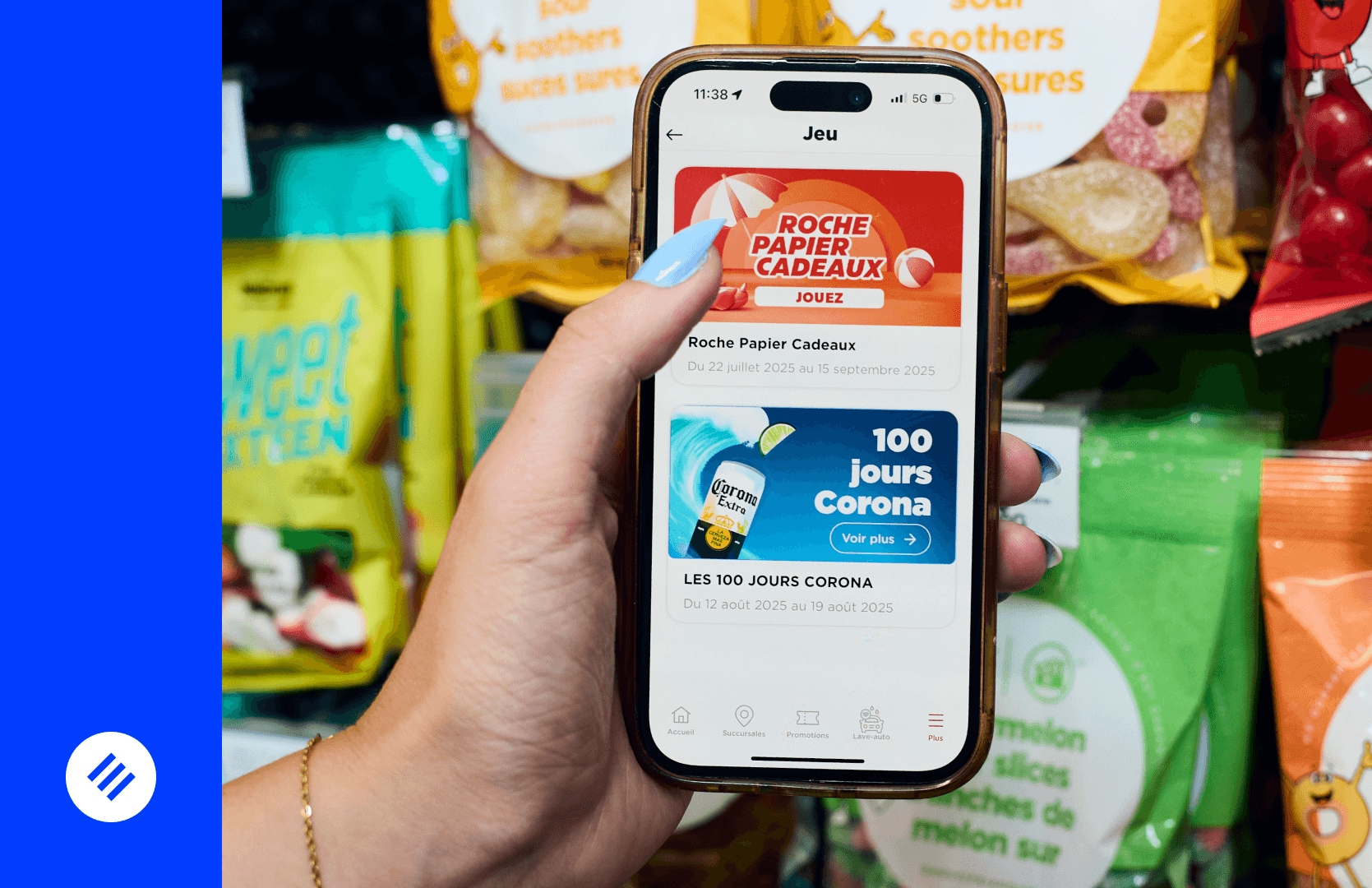
Unlike in the past, gamification is no longer limited to educational apps; sectors like e-commerce, healthcare, and finance are also leveraging these strategies to retain users and encourage specific behaviors. We increasingly see gamification in retail and even in finance. Elements such as challenges, rewards, and leaderboards transform interactions into entertaining and motivating experiences.
Companies that have integrated gamification elements into their marketing strategies have seen a 47% increase in user engagement. Starbucks, with its gamified loyalty program, recorded a 15% revenue growth in the year following its launch.
7. Cybersecurity: SSO Technologies
With the proliferation of major breaches in recent years, cybersecurity has become a crucial element for any digital product. The adoption of Single Sign-On (SSO) technologies is therefore a trend expected to continue accelerating in the coming years.
Not only do these technologies significantly enhance security posture, but they can also greatly optimize the user experience. Indeed, 60% of consumers abandon a digital product when the sign-up or login process is too complex. With solutions such as Auth0 or AWS Cognito, companies can reduce these frictions while complying with data protection regulations.
8. Super Apps: Integrating Multiple Services in One App
Super apps, which integrate multiple services into a single platform, are gaining popularity globally. For example, Amazon offers an experience akin to a super app, combining online shopping, streaming services, payments, and even meal or grocery ordering through Alexa. Uber, by adding food delivery and freight services to its platform, is also part of this trend.
9. Internet of Things (IoT)
Connected objects are becoming increasingly common in our daily lives. Integrating IoT into your mobile application allows for the remote control of smart devices, such as smartwatches or smart home appliances. In 2025, this trend is expected to continue growing, with applications leveraging IoT to offer more personalized services.
10. Subscription Models for Recurring Revenue
SaaS or applications adopting subscription models provide businesses with financial stability. Whether for streaming services, productivity tools, or fitness apps, these models enable the generation of recurring revenue and improve user loyalty. In 2025, we anticipate continued growth in subscription services within web and mobile applications.
11. Push Notifications to Reengage Users
Although some may believe that push notifications are becoming tiresome, the key lies once again in personalization. By considering factors such as the time of year, the time of day, geographical location, or specific user behaviors, applications can not only capture attention but also create real added value with the right notification at the right time.
12. Low-Code and No-Code Solutions
Low-code and no-code platforms allow businesses to quickly create web and mobile applications without requiring deep technical expertise. These tools, which are becoming more widespread in 2025, enable the design of applications with minimal development, making them ideal for rapid market deployment.
13. User-Generated Content
The inclusion of user-generated content (UGC) in mobile applications has become an essential lever, especially in the retail sector. In 2025, consumers are increasingly seeking authentic experiences influenced by reviews, photos, videos, and recommendations from other users. Integrating UGC into an app strengthens credibility and boosts engagement by allowing users to share their experiences with products. This not only increases customer trust but also serves as a form of organic advertising.
14. Real-Time Data Analysis
Real-time analysis of user behaviors and app performance is becoming an essential practice for enhancing the user experience. The ability to analyze data instantly allows businesses to make reactive decisions and continuously optimize the app.
15. User Experience (UX) Optimization
The mobile-first approach continues to grow, and by 2025, even more apps will adopt this philosophy. In the past, the trend was to develop the web version first and then adapt it for mobile, but today, the approach has reversed. In fact, by 2024, over 55% of global web traffic came from mobile devices, making it imperative to prioritize the mobile experience to meet user expectations.
16. Multi-Platform Applications: Reducing Costs and Increasing Efficiency
As we've often mentioned, hybrid app development frameworks, such as React Native and Flutter, continue to gain popularity in 2025. These frameworks enable the creation of high-quality apps for multiple platforms, reducing development time and costs while ensuring consistency across devices. Multi-platform development also ensures uniform functionality and design across all platforms, improving user satisfaction and engagement.
17. Accessibility: Making Apps Inclusive
Accessibility has now become an essential and non-negotiable criterion in app design and software development. It involves ensuring that everyone, regardless of their abilities or preferences, can use a digital product effectively and enjoyably. This includes adapting the user interface for screen readers, voice controls, and providing customization options to accommodate various physical and sensory limitations.
18. Cloud-Native Apps
Cloud-native applications are becoming the standard for businesses seeking to offer scalable and flexible solutions. By using services like AWS, Google Cloud, or Microsoft Azure, apps can easily adapt to traffic spikes, reduce infrastructure costs, and avoid issues associated with on-premise infrastructure, which is often costly, cumbersome, and vulnerable to disasters. This model also ensures redundancy, guaranteeing high availability and service continuity, while promoting greater responsiveness to users' changing needs.
19. Test Automation: Improving Quality and Speed of Development
On a more technical note, test automation is becoming essential to ensure the quality and security of mobile applications. In 2025, businesses will adopt tools to automate functional and performance tests. This allows for quick bug detection, optimized development time, and the delivery of more reliable app versions.
20. Engagement through Live Video
Live video is becoming an essential method for maintaining user engagement. In 2025, features like live streaming for special events, interactive sessions, or asynchronous appointments will become crucial in social and transactional apps, helping to strengthen the emotional connection with users.
21. Voice Search: Simplified Access for Users
Voice search is experiencing significant growth, with assistants like Siri, Google Assistant, and Alexa enhancing the user experience. In 2025, integrating voice search into mobile apps will allow for a more natural and faster interaction, especially for commerce or on-demand service apps.
22. 5G Technology
With the rollout of 5G technology, mobile apps must be prepared to leverage this technology to offer ultra-fast performance. By 2025, the increased bandwidth will allow apps to provide more immersive experiences, such as high-definition videos, AR, or online gaming without latency.
23. Real-Time Data Usage
Leveraging real-time data and contextual adaptation is becoming crucial to optimize the user experience in mobile apps. By analyzing factors such as user behavior, geolocation, usage habits, or time of day, apps can dynamically adjust content, notifications, and commercial offers based on the context. This personalization, whether offering location-based deals or sending relevant notifications at specific times of the day, not only improves engagement but also meets users' real-time expectations.
24. Device Profiling
The proliferation of new device formats, such as foldable smartphones, is transforming how apps are designed. These devices, with their flexible screens that open and close, offer a completely different user experience, requiring adaptations to app interfaces and features. It is now necessary to design a fluid interface that dynamically adjusts depending on the device's state, whether folded or open. This evolution presents new design and ergonomics challenges but also offers opportunities to create more immersive and interactive experiences.
25. Phygitalization
Phygitalization aims to merge physical and digital experiences to provide users with a more seamless experience. It uses digital tools, particularly mobile apps, to enhance physical interactions in stores or other physical environments. For example, customers can scan QR codes in-store to get more information about a product, access personalized offers, or even make an instant purchase from their phones. By integrating digital tools like geolocation, augmented reality (AR), and mobile payment solutions, phygitalization creates an omnichannel experience that combines the convenience of digital with the physical experience.
Conclusion
The world of mobile app development continues to offer numerous possibilities and technological choices in 2025, each with its own advantages and challenges. Whether it's choosing between native and hybrid development, integrating secure payment systems like Apple Pay, or using push notifications, making informed decisions is crucial to meet the specific needs of your project.
Not sure where to start? Benefit from a free audit of your app by Thirdbridge. Our team can help guide you through the latest trends and make the right strategic decisions, no matter the current state of your project.
Virginie Lavoie
2025-01-06
25 Key Trends to Optimize Your Mobile App in 2025
Today, more than ever, mobile apps are indispensable tools for businesses, enabling them to effectively connect teams and clients at the heart of their daily interactions. However, user expectations are rapidly evolving, as are technological opportunities. Staying at the forefront of innovation is not just important—it’s imperative.
For those responsible for developing or optimizing a mobile app, the challenge is clear: transform this tool into a powerful growth driver. Whether the goal is to enhance customer experience, improve operational efficiency, or maximize revenue, having a high-performing app is essential.
To help achieve these objectives, the Thirdbridge team has compiled this article outlining 25 trends to consider for mobile app development or strategy, or any other type of digital product in 2025.
1. Personalization Through Artificial Intelligence
Artificial intelligence (AI) and personalization are at the core of all marketing and technological discussions in 2025. AI can personalize user experiences by analyzing preferences and behaviors. This personalization goes beyond product recommendations to create a truly tailored experience. Integrating intelligent algorithms into your apps allows for better user targeting, increasing satisfaction and loyalty.
2. Augmented Reality and Immersive Experiences
Augmented reality (AR) has emerged as a major asset in user engagement, transforming interactions between brands and consumers in sectors such as fashion, tourism, and real estate. For instance, IKEA saw a 35% increase in online sales after launching its AR app "IKEA Place."
3. Simplified and Secure Mobile Payments
Cart abandonment due to complex payment processes accounts for 18% of conversion failures. The trend toward frictionless payments is growing. Services like Apple Pay, Google Pay, and other mobile payment solutions enable quick, secure purchases, simplifying the experience and reducing cart abandonment—crucial for e-commerce apps.
4. Chatbots
Chatbots are no longer optional—they're essential. Intelligent chatbots provide instant responses to users, improving customer service efficiency and significantly reducing operational costs. In 2025, this technology will become even more sophisticated, with AI capable of solving complex issues.
5. Visual Search
Visual search is revolutionizing how users interact with products. With technologies like Google Lens and other image recognition tools, users can now search for products by scanning images or using captured photos. This trend is expected to grow in 2025, making the shopping experience more intuitive, straightforward, and engaging.
6. Gamification
Unlike in the past, gamification is no longer limited to educational apps; sectors like e-commerce, healthcare, and finance are also leveraging these strategies to retain users and encourage specific behaviors. We increasingly see gamification in retail and even in finance. Elements such as challenges, rewards, and leaderboards transform interactions into entertaining and motivating experiences.
Companies that have integrated gamification elements into their marketing strategies have seen a 47% increase in user engagement. Starbucks, with its gamified loyalty program, recorded a 15% revenue growth in the year following its launch.
7. Cybersecurity: SSO Technologies
With the proliferation of major breaches in recent years, cybersecurity has become a crucial element for any digital product. The adoption of Single Sign-On (SSO) technologies is therefore a trend expected to continue accelerating in the coming years.
Not only do these technologies significantly enhance security posture, but they can also greatly optimize the user experience. Indeed, 60% of consumers abandon a digital product when the sign-up or login process is too complex. With solutions such as Auth0 or AWS Cognito, companies can reduce these frictions while complying with data protection regulations.
8. Super Apps: Integrating Multiple Services in One App
Super apps, which integrate multiple services into a single platform, are gaining popularity globally. For example, Amazon offers an experience akin to a super app, combining online shopping, streaming services, payments, and even meal or grocery ordering through Alexa. Uber, by adding food delivery and freight services to its platform, is also part of this trend.
9. Internet of Things (IoT)
Connected objects are becoming increasingly common in our daily lives. Integrating IoT into your mobile application allows for the remote control of smart devices, such as smartwatches or smart home appliances. In 2025, this trend is expected to continue growing, with applications leveraging IoT to offer more personalized services.
10. Subscription Models for Recurring Revenue
SaaS or applications adopting subscription models provide businesses with financial stability. Whether for streaming services, productivity tools, or fitness apps, these models enable the generation of recurring revenue and improve user loyalty. In 2025, we anticipate continued growth in subscription services within web and mobile applications.
11. Push Notifications to Reengage Users
Although some may believe that push notifications are becoming tiresome, the key lies once again in personalization. By considering factors such as the time of year, the time of day, geographical location, or specific user behaviors, applications can not only capture attention but also create real added value with the right notification at the right time.
12. Low-Code and No-Code Solutions
Low-code and no-code platforms allow businesses to quickly create web and mobile applications without requiring deep technical expertise. These tools, which are becoming more widespread in 2025, enable the design of applications with minimal development, making them ideal for rapid market deployment.
13. User-Generated Content
The inclusion of user-generated content (UGC) in mobile applications has become an essential lever, especially in the retail sector. In 2025, consumers are increasingly seeking authentic experiences influenced by reviews, photos, videos, and recommendations from other users. Integrating UGC into an app strengthens credibility and boosts engagement by allowing users to share their experiences with products. This not only increases customer trust but also serves as a form of organic advertising.
14. Real-Time Data Analysis
Real-time analysis of user behaviors and app performance is becoming an essential practice for enhancing the user experience. The ability to analyze data instantly allows businesses to make reactive decisions and continuously optimize the app.
15. User Experience (UX) Optimization
The mobile-first approach continues to grow, and by 2025, even more apps will adopt this philosophy. In the past, the trend was to develop the web version first and then adapt it for mobile, but today, the approach has reversed. In fact, by 2024, over 55% of global web traffic came from mobile devices, making it imperative to prioritize the mobile experience to meet user expectations.
16. Multi-Platform Applications: Reducing Costs and Increasing Efficiency
As we've often mentioned, hybrid app development frameworks, such as React Native and Flutter, continue to gain popularity in 2025. These frameworks enable the creation of high-quality apps for multiple platforms, reducing development time and costs while ensuring consistency across devices. Multi-platform development also ensures uniform functionality and design across all platforms, improving user satisfaction and engagement.
17. Accessibility: Making Apps Inclusive
Accessibility has now become an essential and non-negotiable criterion in app design and software development. It involves ensuring that everyone, regardless of their abilities or preferences, can use a digital product effectively and enjoyably. This includes adapting the user interface for screen readers, voice controls, and providing customization options to accommodate various physical and sensory limitations.
18. Cloud-Native Apps
Cloud-native applications are becoming the standard for businesses seeking to offer scalable and flexible solutions. By using services like AWS, Google Cloud, or Microsoft Azure, apps can easily adapt to traffic spikes, reduce infrastructure costs, and avoid issues associated with on-premise infrastructure, which is often costly, cumbersome, and vulnerable to disasters. This model also ensures redundancy, guaranteeing high availability and service continuity, while promoting greater responsiveness to users' changing needs.
19. Test Automation: Improving Quality and Speed of Development
On a more technical note, test automation is becoming essential to ensure the quality and security of mobile applications. In 2025, businesses will adopt tools to automate functional and performance tests. This allows for quick bug detection, optimized development time, and the delivery of more reliable app versions.
20. Engagement through Live Video
Live video is becoming an essential method for maintaining user engagement. In 2025, features like live streaming for special events, interactive sessions, or asynchronous appointments will become crucial in social and transactional apps, helping to strengthen the emotional connection with users.
21. Voice Search: Simplified Access for Users
Voice search is experiencing significant growth, with assistants like Siri, Google Assistant, and Alexa enhancing the user experience. In 2025, integrating voice search into mobile apps will allow for a more natural and faster interaction, especially for commerce or on-demand service apps.
22. 5G Technology
With the rollout of 5G technology, mobile apps must be prepared to leverage this technology to offer ultra-fast performance. By 2025, the increased bandwidth will allow apps to provide more immersive experiences, such as high-definition videos, AR, or online gaming without latency.
23. Real-Time Data Usage
Leveraging real-time data and contextual adaptation is becoming crucial to optimize the user experience in mobile apps. By analyzing factors such as user behavior, geolocation, usage habits, or time of day, apps can dynamically adjust content, notifications, and commercial offers based on the context. This personalization, whether offering location-based deals or sending relevant notifications at specific times of the day, not only improves engagement but also meets users' real-time expectations.
24. Device Profiling
The proliferation of new device formats, such as foldable smartphones, is transforming how apps are designed. These devices, with their flexible screens that open and close, offer a completely different user experience, requiring adaptations to app interfaces and features. It is now necessary to design a fluid interface that dynamically adjusts depending on the device's state, whether folded or open. This evolution presents new design and ergonomics challenges but also offers opportunities to create more immersive and interactive experiences.
25. Phygitalization
Phygitalization aims to merge physical and digital experiences to provide users with a more seamless experience. It uses digital tools, particularly mobile apps, to enhance physical interactions in stores or other physical environments. For example, customers can scan QR codes in-store to get more information about a product, access personalized offers, or even make an instant purchase from their phones. By integrating digital tools like geolocation, augmented reality (AR), and mobile payment solutions, phygitalization creates an omnichannel experience that combines the convenience of digital with the physical experience.
Conclusion
The world of mobile app development continues to offer numerous possibilities and technological choices in 2025, each with its own advantages and challenges. Whether it's choosing between native and hybrid development, integrating secure payment systems like Apple Pay, or using push notifications, making informed decisions is crucial to meet the specific needs of your project.
Not sure where to start? Benefit from a free audit of your app by Thirdbridge. Our team can help guide you through the latest trends and make the right strategic decisions, no matter the current state of your project.
Virginie Lavoie
2025-01-06
25 Key Trends to Optimize Your Mobile App in 2025
Today, more than ever, mobile apps are indispensable tools for businesses, enabling them to effectively connect teams and clients at the heart of their daily interactions. However, user expectations are rapidly evolving, as are technological opportunities. Staying at the forefront of innovation is not just important—it’s imperative.
For those responsible for developing or optimizing a mobile app, the challenge is clear: transform this tool into a powerful growth driver. Whether the goal is to enhance customer experience, improve operational efficiency, or maximize revenue, having a high-performing app is essential.
To help achieve these objectives, the Thirdbridge team has compiled this article outlining 25 trends to consider for mobile app development or strategy, or any other type of digital product in 2025.
1. Personalization Through Artificial Intelligence
Artificial intelligence (AI) and personalization are at the core of all marketing and technological discussions in 2025. AI can personalize user experiences by analyzing preferences and behaviors. This personalization goes beyond product recommendations to create a truly tailored experience. Integrating intelligent algorithms into your apps allows for better user targeting, increasing satisfaction and loyalty.
2. Augmented Reality and Immersive Experiences
Augmented reality (AR) has emerged as a major asset in user engagement, transforming interactions between brands and consumers in sectors such as fashion, tourism, and real estate. For instance, IKEA saw a 35% increase in online sales after launching its AR app "IKEA Place."
3. Simplified and Secure Mobile Payments
Cart abandonment due to complex payment processes accounts for 18% of conversion failures. The trend toward frictionless payments is growing. Services like Apple Pay, Google Pay, and other mobile payment solutions enable quick, secure purchases, simplifying the experience and reducing cart abandonment—crucial for e-commerce apps.
4. Chatbots
Chatbots are no longer optional—they're essential. Intelligent chatbots provide instant responses to users, improving customer service efficiency and significantly reducing operational costs. In 2025, this technology will become even more sophisticated, with AI capable of solving complex issues.
5. Visual Search
Visual search is revolutionizing how users interact with products. With technologies like Google Lens and other image recognition tools, users can now search for products by scanning images or using captured photos. This trend is expected to grow in 2025, making the shopping experience more intuitive, straightforward, and engaging.
6. Gamification
Unlike in the past, gamification is no longer limited to educational apps; sectors like e-commerce, healthcare, and finance are also leveraging these strategies to retain users and encourage specific behaviors. We increasingly see gamification in retail and even in finance. Elements such as challenges, rewards, and leaderboards transform interactions into entertaining and motivating experiences.
Companies that have integrated gamification elements into their marketing strategies have seen a 47% increase in user engagement. Starbucks, with its gamified loyalty program, recorded a 15% revenue growth in the year following its launch.
7. Cybersecurity: SSO Technologies
With the proliferation of major breaches in recent years, cybersecurity has become a crucial element for any digital product. The adoption of Single Sign-On (SSO) technologies is therefore a trend expected to continue accelerating in the coming years.
Not only do these technologies significantly enhance security posture, but they can also greatly optimize the user experience. Indeed, 60% of consumers abandon a digital product when the sign-up or login process is too complex. With solutions such as Auth0 or AWS Cognito, companies can reduce these frictions while complying with data protection regulations.
8. Super Apps: Integrating Multiple Services in One App
Super apps, which integrate multiple services into a single platform, are gaining popularity globally. For example, Amazon offers an experience akin to a super app, combining online shopping, streaming services, payments, and even meal or grocery ordering through Alexa. Uber, by adding food delivery and freight services to its platform, is also part of this trend.
9. Internet of Things (IoT)
Connected objects are becoming increasingly common in our daily lives. Integrating IoT into your mobile application allows for the remote control of smart devices, such as smartwatches or smart home appliances. In 2025, this trend is expected to continue growing, with applications leveraging IoT to offer more personalized services.
10. Subscription Models for Recurring Revenue
SaaS or applications adopting subscription models provide businesses with financial stability. Whether for streaming services, productivity tools, or fitness apps, these models enable the generation of recurring revenue and improve user loyalty. In 2025, we anticipate continued growth in subscription services within web and mobile applications.
11. Push Notifications to Reengage Users
Although some may believe that push notifications are becoming tiresome, the key lies once again in personalization. By considering factors such as the time of year, the time of day, geographical location, or specific user behaviors, applications can not only capture attention but also create real added value with the right notification at the right time.
12. Low-Code and No-Code Solutions
Low-code and no-code platforms allow businesses to quickly create web and mobile applications without requiring deep technical expertise. These tools, which are becoming more widespread in 2025, enable the design of applications with minimal development, making them ideal for rapid market deployment.
13. User-Generated Content
The inclusion of user-generated content (UGC) in mobile applications has become an essential lever, especially in the retail sector. In 2025, consumers are increasingly seeking authentic experiences influenced by reviews, photos, videos, and recommendations from other users. Integrating UGC into an app strengthens credibility and boosts engagement by allowing users to share their experiences with products. This not only increases customer trust but also serves as a form of organic advertising.
14. Real-Time Data Analysis
Real-time analysis of user behaviors and app performance is becoming an essential practice for enhancing the user experience. The ability to analyze data instantly allows businesses to make reactive decisions and continuously optimize the app.
15. User Experience (UX) Optimization
The mobile-first approach continues to grow, and by 2025, even more apps will adopt this philosophy. In the past, the trend was to develop the web version first and then adapt it for mobile, but today, the approach has reversed. In fact, by 2024, over 55% of global web traffic came from mobile devices, making it imperative to prioritize the mobile experience to meet user expectations.
16. Multi-Platform Applications: Reducing Costs and Increasing Efficiency
As we've often mentioned, hybrid app development frameworks, such as React Native and Flutter, continue to gain popularity in 2025. These frameworks enable the creation of high-quality apps for multiple platforms, reducing development time and costs while ensuring consistency across devices. Multi-platform development also ensures uniform functionality and design across all platforms, improving user satisfaction and engagement.
17. Accessibility: Making Apps Inclusive
Accessibility has now become an essential and non-negotiable criterion in app design and software development. It involves ensuring that everyone, regardless of their abilities or preferences, can use a digital product effectively and enjoyably. This includes adapting the user interface for screen readers, voice controls, and providing customization options to accommodate various physical and sensory limitations.
18. Cloud-Native Apps
Cloud-native applications are becoming the standard for businesses seeking to offer scalable and flexible solutions. By using services like AWS, Google Cloud, or Microsoft Azure, apps can easily adapt to traffic spikes, reduce infrastructure costs, and avoid issues associated with on-premise infrastructure, which is often costly, cumbersome, and vulnerable to disasters. This model also ensures redundancy, guaranteeing high availability and service continuity, while promoting greater responsiveness to users' changing needs.
19. Test Automation: Improving Quality and Speed of Development
On a more technical note, test automation is becoming essential to ensure the quality and security of mobile applications. In 2025, businesses will adopt tools to automate functional and performance tests. This allows for quick bug detection, optimized development time, and the delivery of more reliable app versions.
20. Engagement through Live Video
Live video is becoming an essential method for maintaining user engagement. In 2025, features like live streaming for special events, interactive sessions, or asynchronous appointments will become crucial in social and transactional apps, helping to strengthen the emotional connection with users.
21. Voice Search: Simplified Access for Users
Voice search is experiencing significant growth, with assistants like Siri, Google Assistant, and Alexa enhancing the user experience. In 2025, integrating voice search into mobile apps will allow for a more natural and faster interaction, especially for commerce or on-demand service apps.
22. 5G Technology
With the rollout of 5G technology, mobile apps must be prepared to leverage this technology to offer ultra-fast performance. By 2025, the increased bandwidth will allow apps to provide more immersive experiences, such as high-definition videos, AR, or online gaming without latency.
23. Real-Time Data Usage
Leveraging real-time data and contextual adaptation is becoming crucial to optimize the user experience in mobile apps. By analyzing factors such as user behavior, geolocation, usage habits, or time of day, apps can dynamically adjust content, notifications, and commercial offers based on the context. This personalization, whether offering location-based deals or sending relevant notifications at specific times of the day, not only improves engagement but also meets users' real-time expectations.
24. Device Profiling
The proliferation of new device formats, such as foldable smartphones, is transforming how apps are designed. These devices, with their flexible screens that open and close, offer a completely different user experience, requiring adaptations to app interfaces and features. It is now necessary to design a fluid interface that dynamically adjusts depending on the device's state, whether folded or open. This evolution presents new design and ergonomics challenges but also offers opportunities to create more immersive and interactive experiences.
25. Phygitalization
Phygitalization aims to merge physical and digital experiences to provide users with a more seamless experience. It uses digital tools, particularly mobile apps, to enhance physical interactions in stores or other physical environments. For example, customers can scan QR codes in-store to get more information about a product, access personalized offers, or even make an instant purchase from their phones. By integrating digital tools like geolocation, augmented reality (AR), and mobile payment solutions, phygitalization creates an omnichannel experience that combines the convenience of digital with the physical experience.
Conclusion
The world of mobile app development continues to offer numerous possibilities and technological choices in 2025, each with its own advantages and challenges. Whether it's choosing between native and hybrid development, integrating secure payment systems like Apple Pay, or using push notifications, making informed decisions is crucial to meet the specific needs of your project.
Not sure where to start? Benefit from a free audit of your app by Thirdbridge. Our team can help guide you through the latest trends and make the right strategic decisions, no matter the current state of your project.
Other articles






Other articles
Other articles
contact@thirdbridge.ca
+1 514 316 5399
1751 Rue Richardson Bureau 5.120, Montréal, QC H3K 1G6
330 Rue Saint-Vallier E suite 330, Québec, QC G1K
1475 North Scottsdale Road, Suite 200, Scottsdale, AZ 85257
contact@thirdbridge.ca
+1 514 316 5399
1751 Rue Richardson Bureau 5.120, Montréal, QC H3K 1G6
330 Rue Saint-Vallier E suite 330, Québec, QC G1K
1475 North Scottsdale Road, Suite 200, Scottsdale, AZ 85257
contact@thirdbridge.ca
+1 514 316 5399
1751 Rue Richardson Bureau 5.120, Montréal, QC H3K 1G6
330 Rue Saint-Vallier E suite 330, Québec, QC G1K
1475 North Scottsdale Road, Suite 200, Scottsdale, AZ 85257